
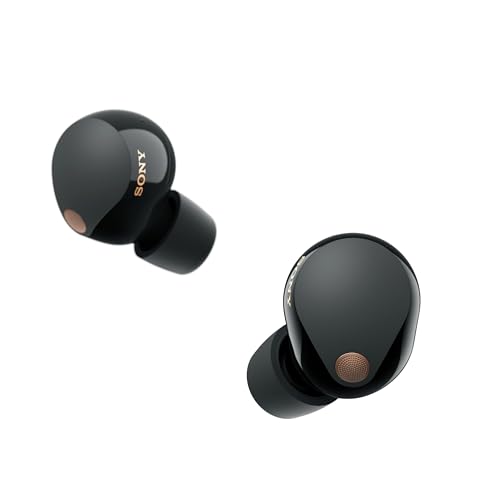

One-line verdict: Choose Sony for compact, commute-first ANC convenience; choose Sennheiser when sound personalization, codec breadth on compatible hardware, and a more involved enthusiast experience matter most.
Why this matchup matters
This is a useful contest because both products are premium without sharing the same definition of premium. Sony emphasizes less friction: compact hardware, strong isolation, mature noise-control features, and broad appeal. Sennheiser emphasizes listener involvement: fit accessories, sound personalization, and an audio-first identity that rewards time spent adjusting the product.
The distinction prevents a misleading “best earbud” answer. The commuter who wants quiet with minimal thought may rationally choose Sony, while the listener who auditions EQ changes at home may get more satisfaction from Sennheiser. Both support advanced codec stories on compatible equipment, but codecs are only one link in the chain. Fit, source, firmware, and personal tuning preferences usually have a more immediate impact.
Decision scorecard
This scorecard is a decision aid, not a claim of controlled laboratory superiority. The winners reflect the product design, supported features, and the use cases in which those differences are most likely to matter.
| Decision | Sony WF-1000XM5 | Sennheiser Momentum True Wireless 4 |
|---|---|---|
| Best default | Winner for commuting and pocketability | Winner for sound-first enthusiasts |
| Sound approach | Smooth, controlled, broadly likeable | Expressive, personalization-led |
| ANC role | Core reason to buy | Useful, but sound is the headline |
| Connectivity | LDAC on compatible devices | aptX-family features on compatible devices |
| Daily handling | Smaller case and compact buds | Larger fit package with fins and tips |
| Buyer effort | Works well as an all-rounder | Rewards setup and experimentation |
Sound and technical philosophy
Sony aims for a polished balance with enough bass weight for mobile listening and enough EQ control to correct preferences. LDAC can be useful on supported Android sources, but enabling a codec does not override a poor seal or weak recording. The stronger argument for Sony is consistency: its tuning, isolation, and app tools form a package intended to work across many genres and environments.
Sennheiser makes sound character the center of the product. Its personalization and EQ tools invite the owner to engage, while its compatible codec platform is aimed at listeners who care about the transmission chain. That can produce a more rewarding ownership experience for a hobbyist, but it is not automatic superiority. On unsupported source devices, headline codec advantages may be unavailable, and listeners who never open the tuning controls may leave value unused.
Noise canceling and features
Sony is the more straightforward recommendation for transit and open offices. The WF-1000XM5 combines active cancellation with strong passive isolation when its tips seal correctly, and its ambient modes are part of a mature daily-use system. The evidence pattern is not that Sony erases every sound; rather, its whole design gives noise management a higher priority.
Sennheiser includes ANC and transparency capabilities, but its primary differentiation is sound. It can still be entirely suitable for commuting, especially with an effective fit, yet buyers whose first question is “which makes travel quieter?” should begin with Sony. Buyers should also remember that wind, sudden voices, and high-frequency sounds challenge ANC differently from steady low-frequency noise, so no feature label guarantees silence.
Fit, comfort, and daily use
Sony’s smaller body and case support pocketable daily use, while the foam-style tips can improve isolation when sized correctly. Those tips also bring fit sensitivity and maintenance. Some users appreciate their grip; others prefer conventional silicone. A short trial is insufficient—check pressure, stability, and seal after walking, talking, and wearing the buds through a normal listening block.
Sennheiser provides a more extensive fit concept, including tips and stabilizing elements, which can help owners tailor security. The housings and case are less about minimum size and more about a settled enthusiast fit. Neither approach wins for every ear. Comfort should overrule a narrow sound preference because a painful premium earbud becomes poor value, and an unstable seal changes bass and ANC before any app setting does.
Ecosystem and connectivity
Neither product requires the same single-brand phone commitment seen in some ecosystem earbuds. Sony’s LDAC advantage is strongest on compatible Android products, while iPhone use relies on the codecs Apple supports. The Sony app remains important for EQ, controls, and updates, so buyers should verify support for their phone version and intended multipoint workflow.
Sennheiser is also platform-neutral in branding, but advanced codec capabilities still depend on the transmitting device. Buying “future-ready” language without a compatible source can mean paying for dormant potential. Its app and personalization tools are central rather than optional decoration. For laptops, phones, and tablets, confirm switching behavior and codec support per device instead of assuming Bluetooth feature parity across an entire operating system.
Battery and calls
Sennheiser’s published positioning gives battery longevity a stronger role, while Sony balances endurance against compactness and ANC processing. Exact runtime changes with volume, ANC, codec, calls, and battery age, so this guide does not convert maximum claims into a promise. Compare official modes on the same basis and consider whether case recharges or single-session life better matches your routine.
Call quality is similarly contextual. Both use processing to isolate speech, but wind, traffic, room echo, and conferencing software can change the result. A buyer who spends hours in calls should test the earbuds with the exact laptop or phone used for work. For occasional calls, either is designed to be serviceable; for mission-critical communication, a dedicated boom microphone remains the more predictable tool.
Value and pricing context — July 2026
In July 2026 these are established premium earbuds, so street pricing may diverge from launch positioning and change without notice. We do not state an unverified live price. Check the retailer links for current totals and compare warranty, returns, color-specific promotions, and whether stock is sold directly or through a third party.
At equal cost, Sony is the lower-risk general recommendation because its ANC and size benefit many routines immediately. Sennheiser earns its premium for someone who will use personalization and compatible codec features. If Sennheiser is substantially cheaper, sound-focused buyers gain an easier case; if Sony is cheaper, the compact commute package becomes difficult to ignore. Fit-related return flexibility has real monetary value for either product.
Sony WF-1000XM5
- Noise control on commutes and flights is the first priority.
- You want the smaller, easier-to-pocket package.
- You prefer smooth all-round tuning with Sony app EQ.
- Your compatible Android source supports LDAC.
Sennheiser Momentum True Wireless 4
- Sound character and personalization come before maximum ANC.
- You enjoy dialing in tips, fins, EQ, and app settings.
- Your source supports the relevant Sennheiser codec features.
- You value a more enthusiast-oriented ownership experience.
Final buying advice
Buy the Sony WF-1000XM5 when earbuds are tools you carry everywhere. Its compact format and noise-control emphasis make it the safer recommendation for travel, commuting, and office focus. The important precondition is fit: verify the foam-style tips remain comfortable and sealed over time.
Buy the Momentum True Wireless 4 when listening itself is the activity. Sennheiser’s personalization-led approach makes more sense for someone who wants to shape the presentation and has compatible sources. Do not pay extra solely for codec terminology, and do not choose Sony solely from an overall score. Start with environment versus sonic involvement, then let comfort and live price break the tie.
For the product-by-product context behind this comparison, read the Sony WF-1000XM5 full review and the Sennheiser Momentum True Wireless 4 full review.
MyHiFi may earn a commission from purchases made through affiliate links. This does not influence our editorial decisions or source selection.