Apple’s entrance into the four-figure headphone market arrives not as a concession to analog tradition, but as a manifesto for computational audio. The AirPods Max frame themselves around a simple provocation: what if sound were treated as software rather than hardware? At $549—though street prices now hover closer to $450—these aluminum-clad cans ask us to trade codec flexibility for ecosystem integration, and driver diameter for DSP horsepower. The result is a headphone that feels simultaneously over-engineered and deliberately constrained, a luxury object that solves problems through silicon while creating new ones through physics.
Design & Build
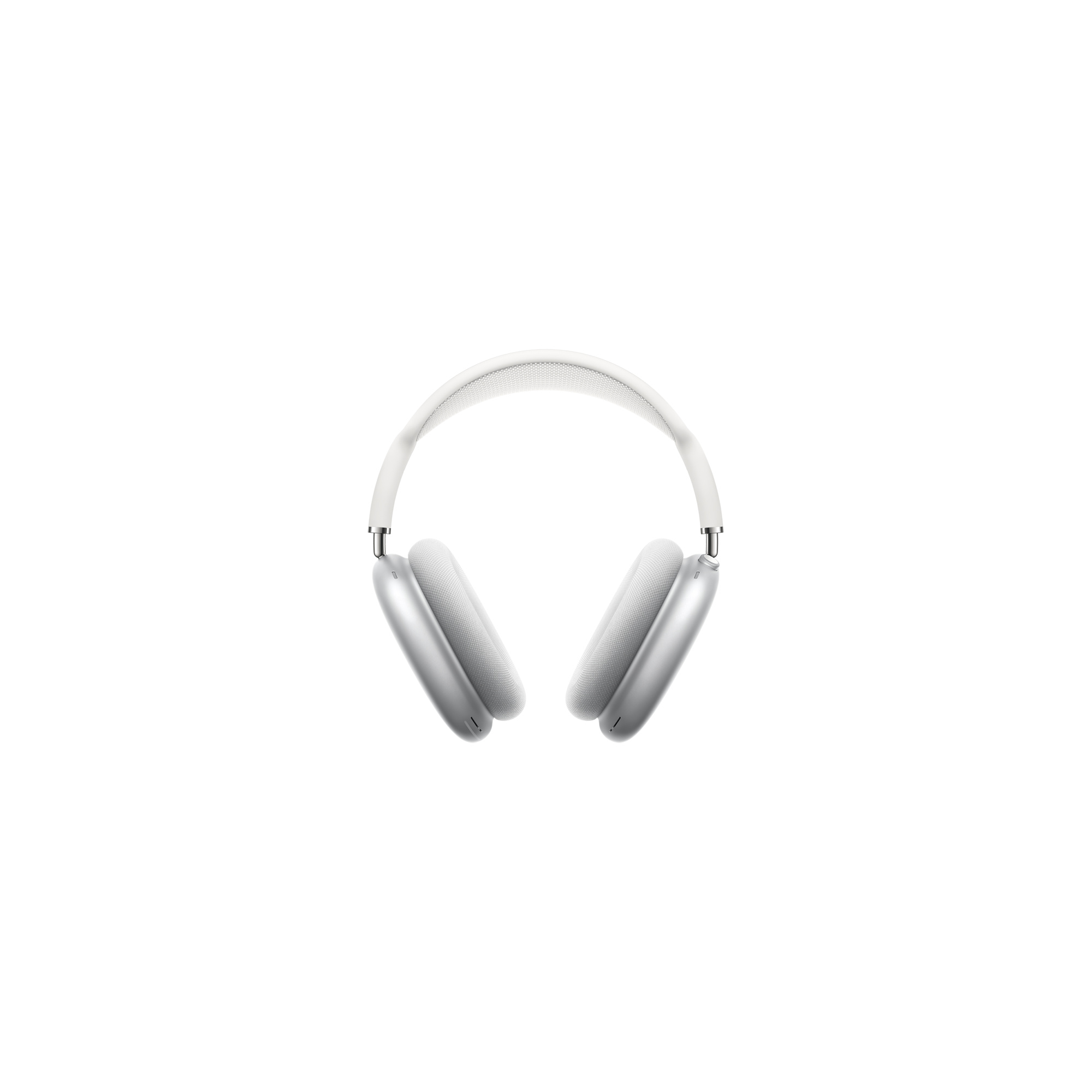
At 384g, the AirPods Max are substantially heavier than Sony’s WH-1000XM5 or Bose’s QuietComfort Ultra. This is fifty percent heavier than Sony’s WH-1000XM5 or Bose’s QuietComfort Ultra, a density achieved through machined aluminum ear cups and stainless steel telescoping arms that feel more precision instrument than consumer electronics. The knit mesh canopy distributes this weight across a broader surface area than traditional headbands, but the overall mass remains a concern for long sessions. The magnetically attached memory foam ear cushions create an effective seal—critical for the adaptive EQ’s calculations—but the proprietary attachment system means replacements run $69 when the foam eventually compresses.
The industrial design courts controversy. The Smart Case, essentially a knit sleeve that exposes the headband to potential damage, triggers an ultra-low-power mode that some units enter inconsistently, leading to battery drain when stored improperly. More concerning are reports of internal condensation buildup within the driver chambers during temperature transitions—a phenomenon Apple acknowledges as environmental sensitivity while disputing characterization as a design flaw. The mesh canopy’s long-term durability remains unproven, and the lack of user-serviceable battery (replacement requires $79 service) suggests a limited lifespan compared to modular wired alternatives.
Connectivity & Features
The AirPods Max operate as a fully digital device, even when wired. The optional Lightning-to-3.5mm cable converts analog signals through an internal ADC, meaning the headphones cannot function passively when the battery depletes—a critical limitation for a $549 product. Bluetooth 5.0 connectivity supports only AAC and SBC codecs, omitting aptX Adaptive and LDAC entirely. For Apple Music users, this creates a paradox: Lossless files stream at 256kbps AAC wirelessly, with no current pathway for hi-res transmission.
Where the AirPods Max compensate is in their microphone array and processing. Eight outward-facing microphones handle active noise cancellation with particular efficacy against variable-frequency environmental noise—keyboard clatter, conversation—while three inward-facing microphones per ear cup monitor seal quality and adjust EQ at 10Hz refresh rates. The beamforming microphone array delivers call clarity that exceeds competitors in windy conditions, making these arguably the finest wireless headset for professional communication. Spatial Audio with dynamic head tracking represents the current state-of-the-art for immersive content, utilizing HRTF personalization via iPhone TrueDepth cameras to create convincing three-dimensional placement, albeit with slight phase artifacts that reduce micro-dynamic nuance compared to stereo playback.
Sound Performance
The dual Apple H1 chips—one per ear cup—drive 40mm dynamic drivers with neodymium magnets and a dual-ring radiator design intended to minimize harmonic distortion. Measurements indicate THD remains below 0.5% at 94dB SPL, with particular attention to sub-bass linearity where many dynamic drivers falter. The adaptive EQ applies a target curve that elevates sub-bass approximately 5dB below 100Hz while maintaining midrange clarity and slight upper-midrange presence boost between 1-3kHz.
The resulting signature is technically proficient but occasionally clinical. The bass response avoids the one-note boom of consumer-tuned competitors, offering controlled extension that serves electronic and pop material well, though slight mid-bass bleed between 200-400Hz can obscure lower-midrange detail in dense orchestral or metal mixes. The midrange excels at vocal intelligibility, presenting singers with tangible presence and excellent sibilance control. Treble presentation divides listeners: some find the upper registers smooth and non-fatiguing, while others detect a metallic edge or "plastic sheen" on cymbal crashes, potentially attributable to DSP processing or driver material resonance.
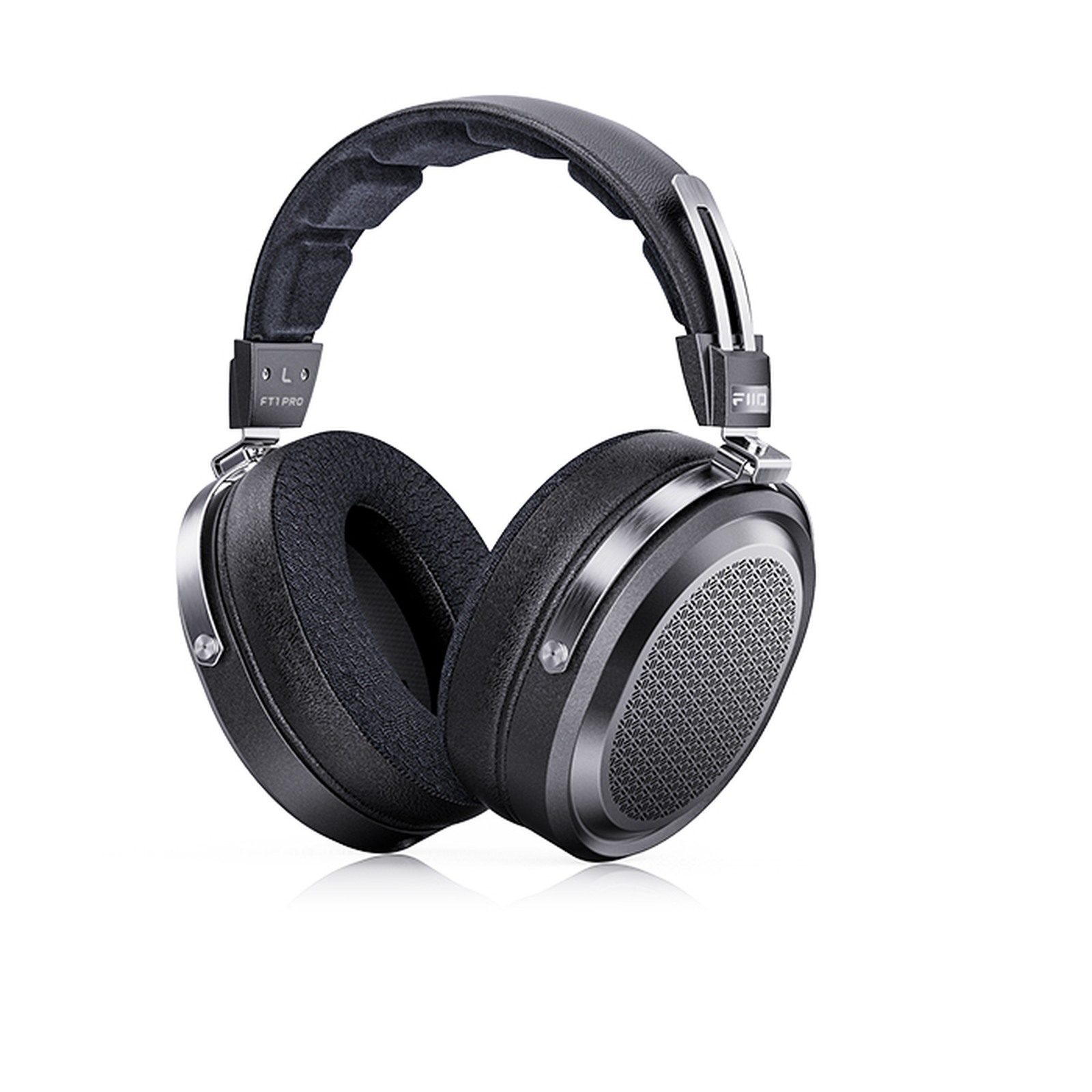
The closed-back isolation and DSP compression create a dynamic ceiling that wired open-back competitors—Sennheiser’s HD 600 series, HiFiMAN’s Sundara—surpass at lower price points. Complex classical swells and aggressive jazz passages reveal the computational architecture’s limitations, as the real-time processing smooths transient edges that analog drivers render with greater textural specificity.
Comparisons
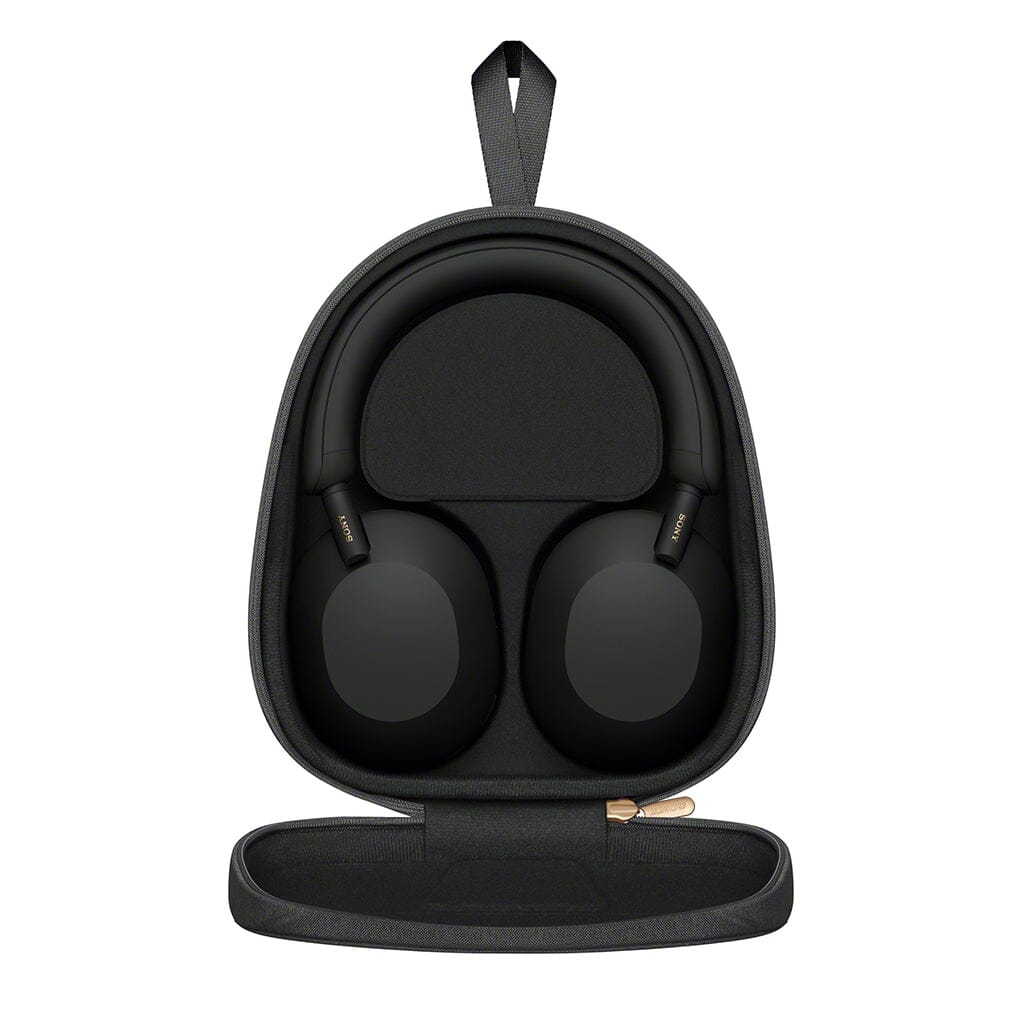
Against Sony’s WH-1000XM5, the AirPods Max trade comfort for material premiumness. The Sony’s 250g chassis disappears during long flights in ways the 384g Apple cannot, while offering LDAC support for Android users and superior battery longevity. However, the Sony’s plastic construction creaks under pressure, and its ANC, while effective against constant low-frequency drone, handles variable noise less gracefully than Apple’s hybrid array.
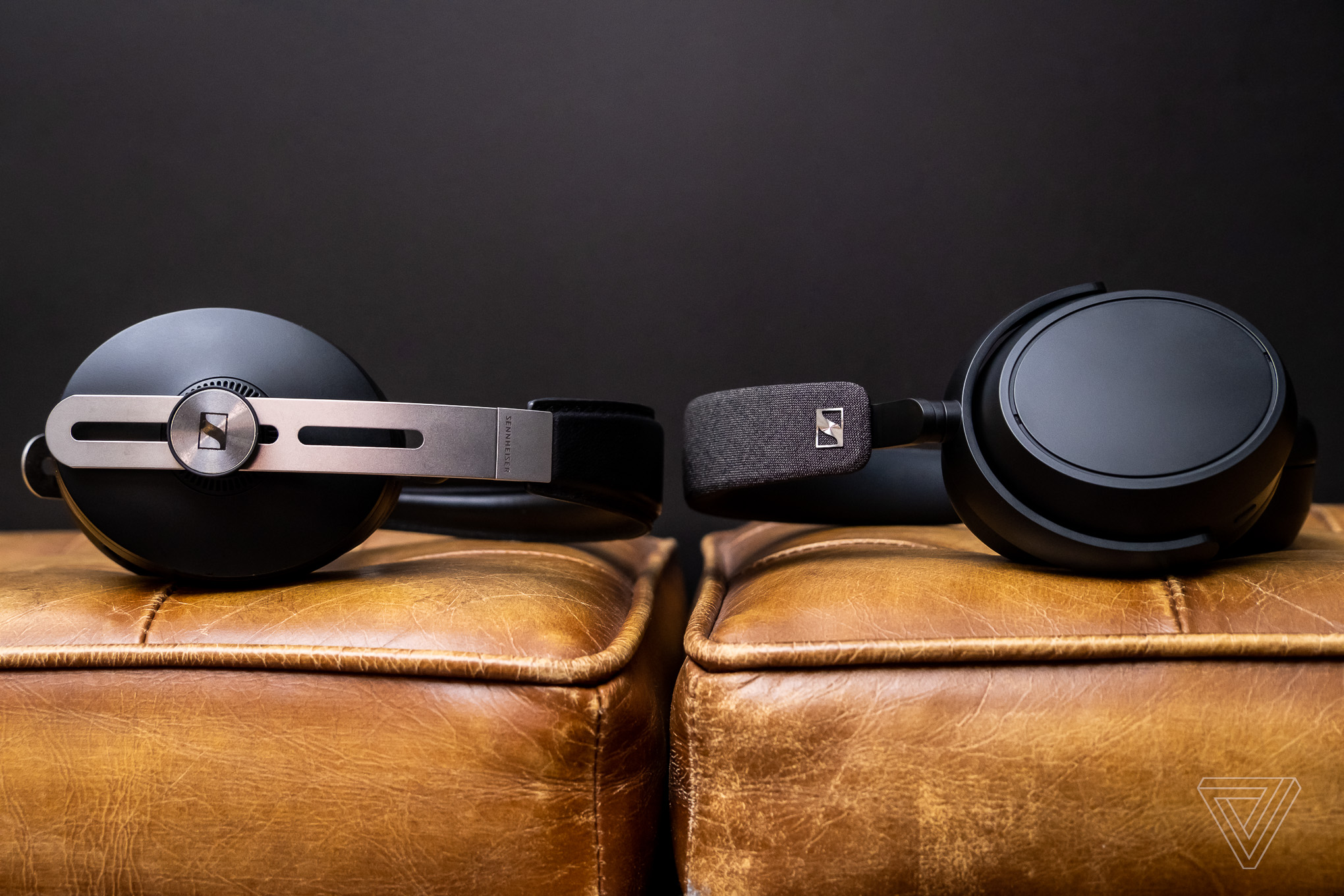
Bose’s QuietComfort Ultra offers superior ergonomic refinement at 253g and remains the comfort champion for spectacle-wearers, though its plastic build lacks the tactile satisfaction of Apple’s metalwork. The Bose tuning emphasizes relaxation over resolution, making the AirPods Max the choice for listeners prioritizing midrange detail and build longevity.
For pure sonic performance, the Focal Bathys or wired options like Sennheiser’s HD 660S2 deliver superior technical fidelity at similar or lower prices, though they sacrifice the seamless device switching and Spatial Audio integration that justify the Apple premium for ecosystem devotees.
Who It's For
The AirPods Max serve three distinct user profiles: Apple ecosystem devotees who prioritize seamless device handoff and Find My integration over codec flexibility; business travelers requiring best-in-class microphone performance for calls in variable environments; and Spatial Audio early adopters consuming Dolby Atmos Music or Apple TV+ content who demand the most stable head-tracking implementation available.
Look elsewhere if you operate outside Apple’s ecosystem—Android users sacrifice functionality and codec quality—or if you require lossless wireless transmission. Those seeking reference-grade wired performance should consider the ADC limitation a dealbreaker, while comfort-focused users with sensitive necks will find the weight penalty prohibitive for sessions exceeding two hours.
Scorecard
Rating: Recommended. Composite: 72/100.
Buying decision
Buy the AirPods Max if Apple-device switching, Spatial Audio, noise cancellation, microphones, and metal construction outweigh weight and codec concerns. Do not buy them for passive wired listening, Android flexibility, replaceable-battery longevity, or the best sound quality per dollar. Comfort-sensitive buyers should treat 384g as a material decision factor.
The recorded MSRP is $549, while the original review noted historical street pricing nearer $450. In July 2026, MyHiFi has not independently verified a current live price. Compare the checkout price against the QuietComfort Ultra, Sony’s current flagship, and sound-first wireless alternatives rather than relying on that historical discount.
Verdict
The AirPods Max represent a fascinating inflection point: a luxury object built with genuine material integrity that nonetheless functions as a disposable, battery-dependent computer. The computational audio processing delivers consistent, detailed sound that adapts intelligently to fit variations, while the ANC and microphone arrays set benchmarks for the category. Yet the AAC codec limitation, wired mode ADC conversion, and absolute battery dependency create friction that analog headphones avoid.
At $549, the value proposition struggles against technically superior wired alternatives and more comfortable wireless competitors. At $450, the calculus shifts for Apple users who will exploit the ecosystem integration daily. These are not headphones for the platform-agnostic audiophile, nor for the comfort-obsessed road warrior. They are, instead, a specialized tool for those who have accepted that their audio experience will be mediated by silicon—and who demand that silicon be wrapped in aluminum.
Methodology
This review is an editorial assessment based on the specifications, measurements, comparisons, and listening findings already contained in the original review. MyHiFi did not perform hands-on testing of this unit. Historical source files and source counts were not reconstructed; uncertain ownership claims remain qualified.
Price context was reviewed in July 2026. MSRP and previously reported discounts are only reference points because retailer prices and availability change.
MyHiFi may earn a commission from purchases made through affiliate links. This does not influence our editorial decisions or source selection.