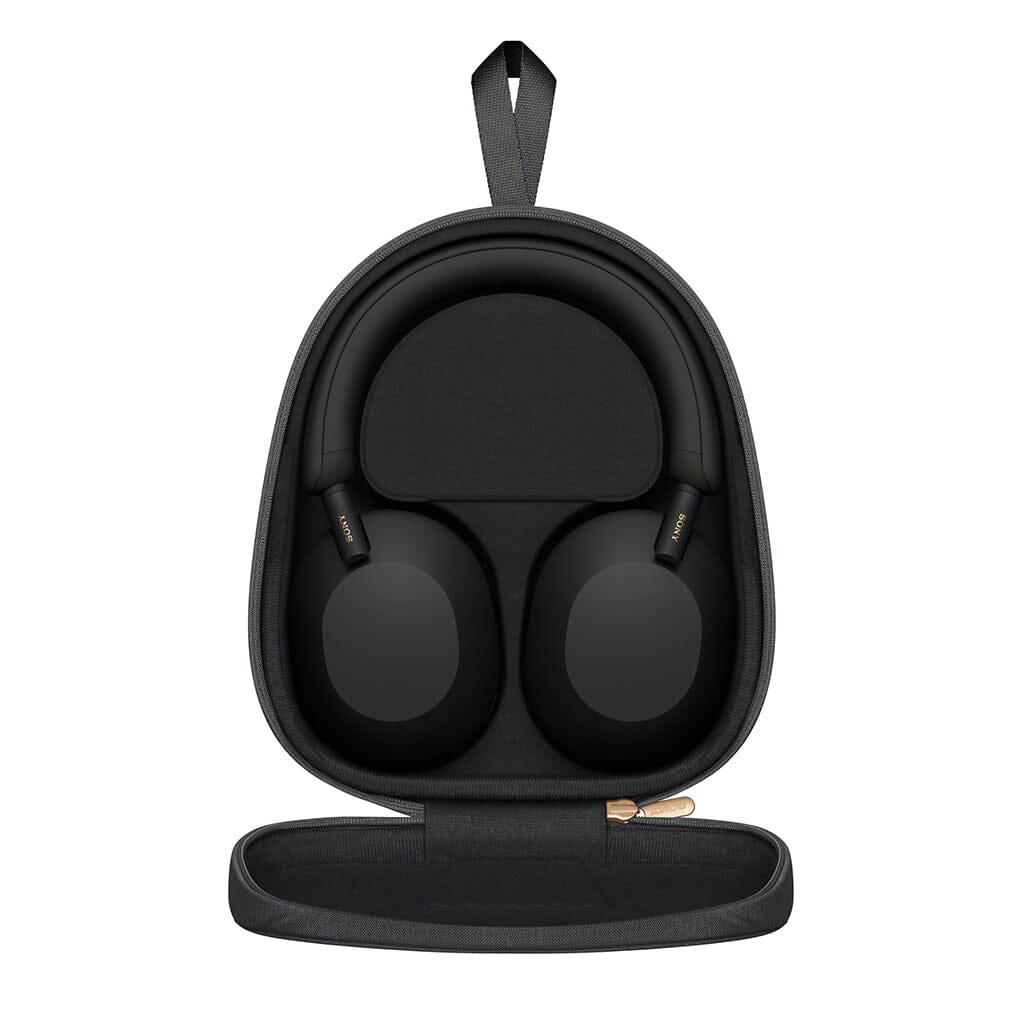
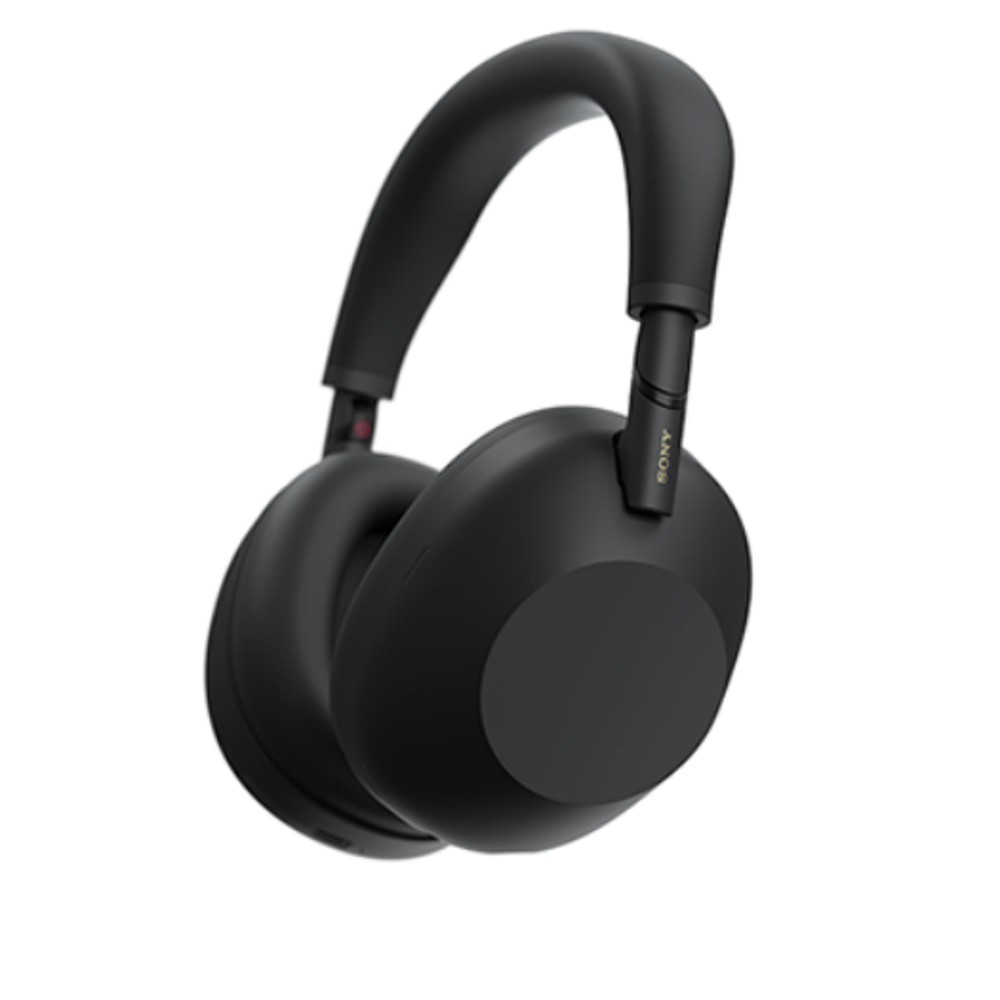
Sony took away the folding hinges on the WH-1000XM5. Four years of travel bags, desk drawers and crowded carry-ons later, the WH-1000XM6 puts them back. That sounds like a small concession until you remember what these headphones are for: not a listening room, but the hour between home and office, the aircraft cabin, and the video call after landing. A flagship that cancels more noise yet takes up less room is addressing two of its predecessors' most practical complaints at once.
There is a harder question underneath the redesign. The XM5 remains available at a discount, while Bose and Sennheiser compete for the same travel budget. Sony's C$599.99 Canadian launch price raises the value bar. The XM6 is an excellent all-rounder, not an automatic upgrade for every XM5 owner.
The decisive difference is the combination: stronger tested isolation, a foldable frame, useful multipoint and a customizable sound profile. Each advantage has a boundary. Fit can change the measured cancellation substantially; a folded headphone still needs a case; and USB-C charges the XM6 but does not carry digital audio from a computer. The right buyer will use most of those features every week. Everyone else should compare the checkout price with the XM5 before treating a generation number as a reason to spend.
Scorecard
For: frequent travelers, commuters and office workers who want top-tier ANC, a more packable design and flexible phone-plus-laptop use. Not for: listeners seeking a weather-rated exercise headphone, USB-C digital audio or an inexpensive upgrade from an XM5 that already meets their needs.
Verified specifications
| Specification | Sony's published value |
|---|---|
| Design | Closed-back, over-ear, foldable |
| Driver | 30 mm dynamic |
| Weight | Approximately 254 g |
| Bluetooth | 5.3; SBC, AAC, LDAC and LC3 |
| Connections | Bluetooth multipoint, 3.5 mm analog audio, USB-C charging |
| Battery claim | Up to 30 hours with noise cancellation on; up to 40 hours off |
| Noise-cancellation hardware | QN3 processing; 12 microphones |
| Canadian launch MSRP | C$599.99 |
Design: the case matters as much as the hinge
The folding mechanism is the most visible correction to the XM5. Sony did not turn the XM6 into an ultracompact travel headphone, but the smaller packing shape means less competition with the laptop and other necessities in a bag. A hinge also adds moving parts, so foldability is a convenience rather than proof of longer service life. There is not enough long-term owner evidence to claim a reliability advantage or disadvantage for this generation.
At roughly 254 grams, the XM6 remains light for a full-size wireless ANC headphone. Owners describe easy extended wear, but others report pressure at the crown, jaw or glasses temples; professional assessments likewise disagree. Fit affects bass and low-frequency noise reduction when the pad seal breaks. Try it on if you can, especially if you'll wear it through a long-haul flight.
The material choice is practical rather than luxurious. If metal construction and dense tactile finish are your priorities, the original AirPods Max offers a different kind of premium feel, along with substantially more weight and a tighter Apple ecosystem. Sony's case-and-hinge solution is aimed at the person who needs to carry the headphones rather than admire them on a stand. No published ingress-protection rating makes the XM6 a poor bet for rain-soaked runs or gym use.
Noise cancellation: excellent, not magic
Independent isolation testing places the XM6 ahead of the XM5 and the original Bose QuietComfort Ultra in one standardized set of common scenarios. That is a meaningful result, but the test's numerical scores are not decibel differences, and the everyday margin may be small. A second laboratory's frequency-specific measurements show strong reduction in low-frequency transport noise. Neither result guarantees the same outcome on every head: a leak around a glasses arm or a shifted earcup can erase part of the advantage.
The extra microphones and new processor give Sony more information to work with. What matters to a buyer is the result: less train rumble, HVAC drone and cabin noise reaching the ear at normal listening levels. Voices and sudden sounds are harder for any ANC system to remove completely. Passive pad seal and active processing work together, which is why fit matters more than the microphone count on the box.
For calls, the source pattern supports clear speech capture in typical office and travel settings, though a headset microphone cannot eliminate every gust or overlapping voice. The practical advantage is being able to leave the same pair connected to a phone and laptop through multipoint. That convenience has a cost if your devices handle switching unpredictably; test your own work setup before relying on it for an important meeting.
Sound and the controls around it
The XM6 is a refined wireless travel headphone, not a passive studio reference. Professional coverage converges on greater clarity and a more open presentation than the XM5, with enough bass for noisy environments. Pad seal, ANC and EQ affect the balance; Sony gives you room to adjust it.
LDAC is available on compatible Android sources; AAC covers common Apple playback, while LC3 adds another supported wireless path. Codec support does not by itself make an ANC headphone sound lossless. Driver tuning, cup acoustics, processing and the recording still set the audible result. Sony's app EQ is a more consequential everyday tool than chasing the highest advertised bitrate when the default tonal balance is not quite yours.
A 3.5 mm analog connection offers a fallback when Bluetooth is unavailable. The USB-C socket, however, is for charging rather than wired digital playback. That distinction matters to a buyer who expects a single cable to carry computer audio as well as power. If desk-bound, low-latency digital listening is the central use case, a purpose-built wired headphone and DAC are a cleaner purchase.
Battery, travel and real-world pairings
Sony rates the XM6 for up to 30 hours with ANC running and 40 hours without it. One independent standardized test ran for 37 hours and 14 minutes; another produced around 31 hours and 45 minutes under its ANC protocol. Both exceed the official ANC-on claim under their respective conditions, but the figures are not interchangeable. Volume, codec, calls, temperature and processing settings alter endurance. Expect several workdays between charges, not a guaranteed hour count for every trip.
The travel package makes the most sense with a modern phone and a laptop used throughout the day. An Android handset can take advantage of LDAC and the app EQ, while a laptop supplies meetings and media over multipoint. An iPhone user still gets the cancellation, folding design and AAC playback, but not LDAC. The analog cable remains the practical escape hatch for a seatback system or a depleted wireless source; check whether your particular aircraft requires an adapter.
XM6 versus the alternatives
Sony WH-1000XM5: The XM6 brings back folding, adds a newer ANC platform and earns a measured isolation edge. The XM5 remains a capable office headphone. If it is substantially cheaper at checkout and usually lives on your desk, keep the savings; if packing volume and maximum noise reduction are daily problems, the XM6 is the more complete travel buy.
Bose QuietComfort Ultra Headphones: Against the original Ultra, the XM6 has the edge in one independent isolation comparison and offers Sony's codec and EQ flexibility. The Bose remains a comfort-first alternative whose particular fit may work better for your head. Do not transfer this comparison automatically to the later Ultra generation.
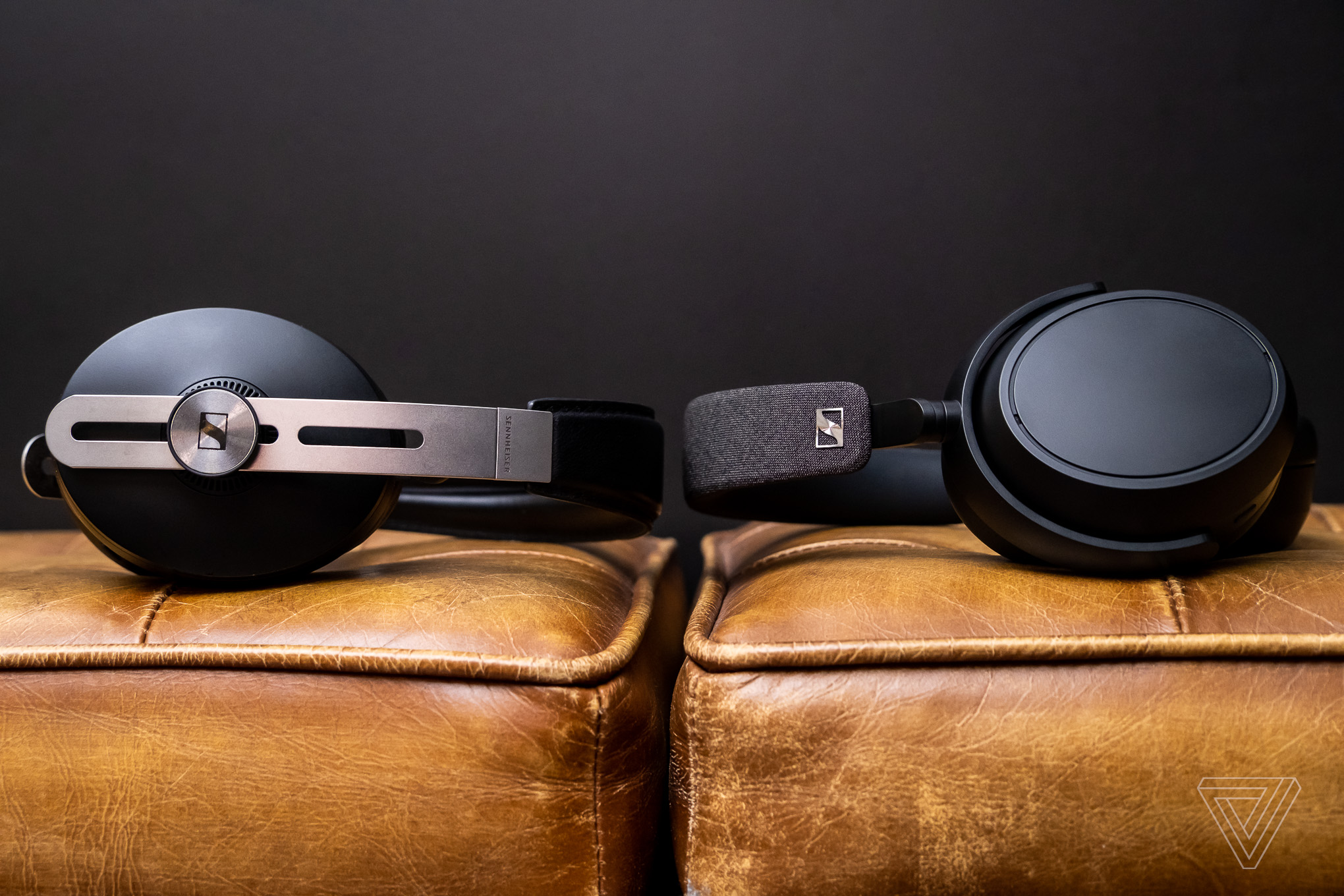
Sennheiser Momentum 4 Wireless: Choose the Momentum 4 when exceptionally long battery life and its sound character matter more than the last increment of ANC. Choose the XM6 for a quieter commute and a smaller folded footprint. Both are feature-rich wireless headphones, not replacements for a serviceable wired reference.
Value and verdict
At its C$599.99 Canadian launch MSRP, the XM6 asks you to pay for a complete travel system: cancellation, fit-adjustable tuning, call handling, multipoint and a useful folding case. Check the current retailer price rather than treating that MSRP as today's checkout. The value case weakens sharply if an XM5 is deeply discounted and you do not care about foldability. The value case strengthens if the smaller packing shape and isolation edge save friction on every trip.
84/100 — Highly Recommended. The Sony WH-1000XM6 fixes the XM5's most visible travel compromise while improving the technical performance that made the series famous. It is an easy recommendation for someone buying a flagship ANC headphone from scratch, conditional on fit and the price gap. For an existing XM5 owner, it is a solution to specific problems, not an annual obligation. Sony finally made room for the headphones in the bag; make sure there is room for the upgrade in your budget.
Methodology
MyHiFi did not perform hands-on testing. This assessment weighs official specifications, two independent measurement programs, multiple professional evaluations and 25 individually inspected owner accounts. Most owner reports were Sony-syndicated; only one carried a verified-purchase marker. They establish fit variability, not defect rates or long-term reliability. Overall confidence: Moderate. Technical Performance, Value, Build and Versatility are weighted 30%, 30%, 25% and 15%, respectively.
MyHiFi may earn a commission from purchases made through affiliate links. This does not influence our editorial decisions or source selection.