
The Truthear Hexa was the IEM that made neutral tuning feel accessible at $90. Its successor, the Truthear Pure, faces a different problem. The $50–$100 IEM market is now saturated with hybrid designs, and the Hexa still sits on shelves at the same price. A successor cannot merely be different — it must be better, or at least better for more people.
The Pure answers that question by going warm. A 1DD+3BA hybrid configuration replaces the Hexa's all-balanced-armature setup, adding a dynamic driver for bass weight and three balanced armatures for mids and treble. The result is a darker, more forgiving signature that retains the coherence that made the Hexa notable while broadening its appeal to listeners who found the original too analytical. At $89.99 on Amazon in July 2026, with 286 ratings averaging 4.4/5, the Pure has established itself quickly.
The trade-off is treble extension and spatial depth. The Pure sacrifices air and detail retrieval for smoothness and long-session comfort. For listeners who want the Hexa's analytical clarity, the Pure is a side-step, not an upgrade. For everyone else, it is the better $90 IEM.
Scorecard
Excellent coherence for a hybrid at this price; treble roll-off limits detail retrieval and spatial depth
DLP 3D-printed resin shell feels solid; stock cable is heavy and earhook fit is divisive
Hybrid configuration, coherent tuning, and strong accessories at $89.99 — one of the best values under $100
Broad genre compatibility and easy to drive; dark tuning limits classical and competitive gaming use
Who it is for: listeners wanting a warm, fatigue-free IEM under $100; first-time hybrid buyers upgrading from single-DD budget models; long-session listeners who value coherence over detail; people who found the Hexa too analytical.
Who should skip it: treble-sensitive detail seekers; competitive FPS gamers who need spatial precision; listeners who want a neutral reference tuning; anyone with 2-pin cable fit sensitivity.
Verified specifications
| Specification | Published value |
|---|---|
| Driver configuration | 1 dynamic + 3 balanced armature (hybrid) |
| Shell material | DLP 3D-printed resin (HeyGears), metal top plate |
| Cable connector | 0.78mm 2-pin (sunken female socket) |
| Cable | Silver-plated oxygen-free copper, 3.5mm plug |
| Weight | 36g (with cable) |
| Crossover | Hybrid three-frequency with RC crossover |
| Included accessories | Multiple silicone and foam tip sets, carrying case |
Truthear has not published impedance, sensitivity, or claimed frequency response for the Pure on accessible retailer pages. Owner and professional evidence consistently indicates it is easy to drive from portable sources.
Design and comfort: 3D-printed substance
The Pure's shell mirrors the Hexa's compact geometry but introduces a corrugated metal top plate over a DLP 3D-printed resin body. The industrial aesthetic is distinctive, and the shell is small enough for users with tiny ears — a recurring positive in owner reports. Truthear minimized the housing compared to the Hexa, reducing discomfort during prolonged use.
The cable is the ergonomic weakness. The stock 0.78mm 2-pin cable is thick, silver-plated OFC with a twisted finish that looks premium but is stiff and heavy. The earhook design does not curve behind all ear shapes, and some users experience the earbud tugging free. Swapping to an aftermarket cable resolves this for affected users; many owners report no issues. The 2-pin connector is sunken, which limits aftermarket cable compatibility.
What the measurements mean
Independent frequency-response measurements show a bass shelf raised above neutral from roughly 20 Hz, and mids that track the preference curve closely apart from a peak near 155 Hz. Above that, the treble runs under target, and the top octave tapers away steeply enough to behave almost like a low-pass filter. The 2–5 kHz region lacks brilliance, which prevents sibilance but sacrifices sparkle.
The measurement pattern confirms what subjective descriptions consistently report: a warm, slightly dark signature that prioritizes smoothness over detail. The clean measured response also implies low distortion across the audible range.
The practical consequence is that the Pure trades detail for comfort. Cymbals lose sizzle. Strings lose air. Spatial depth is shallow, making it harder to judge front-to-back positioning in competitive games. In exchange, nothing sounds harsh, nothing fatigues, and long sessions remain comfortable. That is a deliberate tuning choice, not a defect.
Sound character: warm, coherent and deliberately dark
Bass is the Pure's defining feature. The dynamic driver adds weight and punch that the Hexa's balanced armatures could not match. Sub-bass has good extension and pressure; mid-bass carries satisfying body without bleeding into the midrange. On Fleetwood Mac's Dreams, the bass line sits prominently without overwhelming the vocal.
The midrange is the Pure's strongest asset. Warm, smooth and full-bodied, it reproduces vocals with natural weight and texture. The hybrid crossover is unusually well-integrated — driver handoffs are inaudible, and the midrange sounds like a single coherent source. This coherence is the most praised aspect across professional and owner reports.
Treble is smooth and deliberate. It avoids the sibilance that plagues aggressive chi-fi tunings. The cost is detail. Upper treble rolls off significantly, and material that depends on high-frequency energy — cymbals, strings, ambient air — loses presence. The Pure excels at electronic, rock, hip-hop and bass-forward material where warmth outweighs sparkle.
Soundstage is narrow and shallow. Spatial width is adequate, and the Pure images cleanly within its boundaries. But front-to-back depth is limited, making it harder to judge distance in competitive games. For single-player action games, the bass emphasis adds satisfying weight to explosions. For competitive FPS, the dark tuning and shallow stage are genuine disadvantages.
Comparisons: what else should you buy?
The Truthear Hexa remains on shelves at the same $89.99 price. It is the analytical alternative — more neutral, more detailed, more treble-forward. The Pure is warmer, more engaging, and more forgiving. Both are excellent. Choose the Hexa for analytical listening; choose the Pure for enjoyment.
The Truthear x Crinacle Zero: Red at $54.99 offers a similar warm tilt at a lower price. It lacks the Pure's hybrid coherence and build quality, but it is the better value if budget is the primary constraint.
The Dunu KIMA 2 at roughly $129 is the step-up alternative. It offers better treble extension and a more refined cable, but the Pure's coherence and value make it the stronger buy for listeners who do not need the extra resolution.
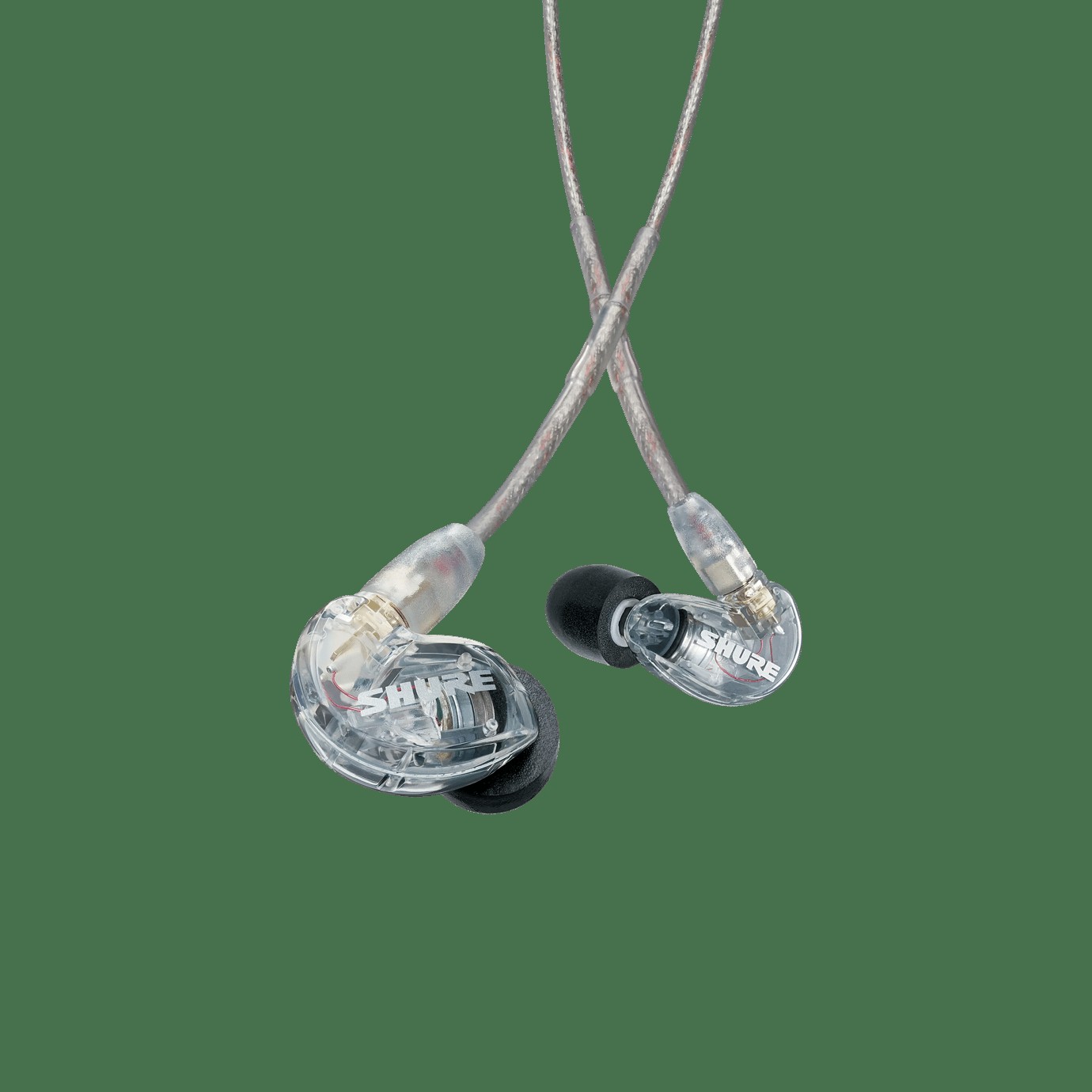
The Shure SE215 at $93–$109 is the isolation-focused alternative. The SE215 cannot match the Pure's sound quality, driver count or coherence, but it isolates dramatically better and offers professional-grade build. Choose the Pure for sound; choose the SE215 for isolation.
Pairing and everyday use
The Pure is easy to drive from any portable source. A phone jack or basic USB-C dongle is sufficient. One reviewer noted that a dedicated amplifier improved dynamics, but the consensus is that the Pure does not require one.
The included tip selection is generous. Achieving a proper seal is essential — without it, bass collapses and the signature thins. The 0.78mm 2-pin connector is a longevity advantage; when the stock cable fails, a replacement costs $10–$20. The sunken socket limits compatibility with some aftermarket cables, so verify connector depth before purchasing.
Value and verdict
At $89.99, the Truthear Pure delivers a hybrid 1DD+3BA configuration, DLP 3D-printed shell, coherent crossover, and warm fatigue-free tuning that reviewers and owners consistently rank among the best IEMs under $100. Its 286 Amazon ratings averaging 4.4/5 after one year reflect a product that has found its audience quickly.
The honest qualification is that the Pure is not for everyone. Its treble rolls off early, its soundstage is narrow, and its stock cable divides users between those who find it acceptable and those who replace it immediately. The Hexa, at the same price, remains the better choice for listeners who want neutrality over warmth.
The Truthear Pure earns 86/100 and a Highly Recommended rating because it takes the Hexa's coherence formula and applies it to a warmer, more accessible tuning. It does not replace the Hexa — it complements it. The Pure is the IEM you buy when you want the Hexa's brain but a warmer heart.
MyHiFi weights Technical Performance at 30%, Value at 30%, Build Quality at 25% and Versatility at 15%. The resulting weighted composite is 85.85, rounded to 86/100, in the Highly Recommended band.
Methodology
This assessment draws on one independent measurement source (frequency-response data), five professional editorial reviews published July–November 2025, 13 manually coded Amazon owner reviews spanning six countries, Amazon rating data totaling 286 ratings, and live July 2026 pricing. All five professional review units were supplied by Shenzhen Audio at no cost. Confidence: High for tuning and value conclusions, Moderate for technical conclusions due to the absence of independent coupler measurements from secondary sources and the product's limited time on the market. MyHiFi did not perform hands-on testing.
Affiliate disclosure: MyHiFi may earn a commission from purchases made through affiliate links, at no additional cost to you. This does not influence our editorial decisions, scores or source selection.