Elac Debut ConneX DCB41 Review: The Connectivity Champion
The powered speaker market has become crowded with options promising to simplify your hi-fi life, yet most force compromises. Either you get streaming smarts but limited physical inputs, or you get analog flexibility but no way to connect your TV without a mess of adapters. The Elac Debut ConneX DCB41 takes a different approach: it assumes you already have sources—a turntable, a television, a computer—and simply asks for a place to sit. The original MSRP is the relevant historical context. This compact master/slave system packs an unusually comprehensive array of inputs, including a feature rarely seen at this price: HDMI ARC. But connectivity means little if the sound doesn’t deliver. Manufacturer information, published reviews and owner patterns support its case as both a convenient and musically credible option for small rooms. Price context: MSRP at publication was $599.98; review refreshed July 2026. Check the retailer for current pricing.
---
Design & Ergonomics: Practicality Over Polish
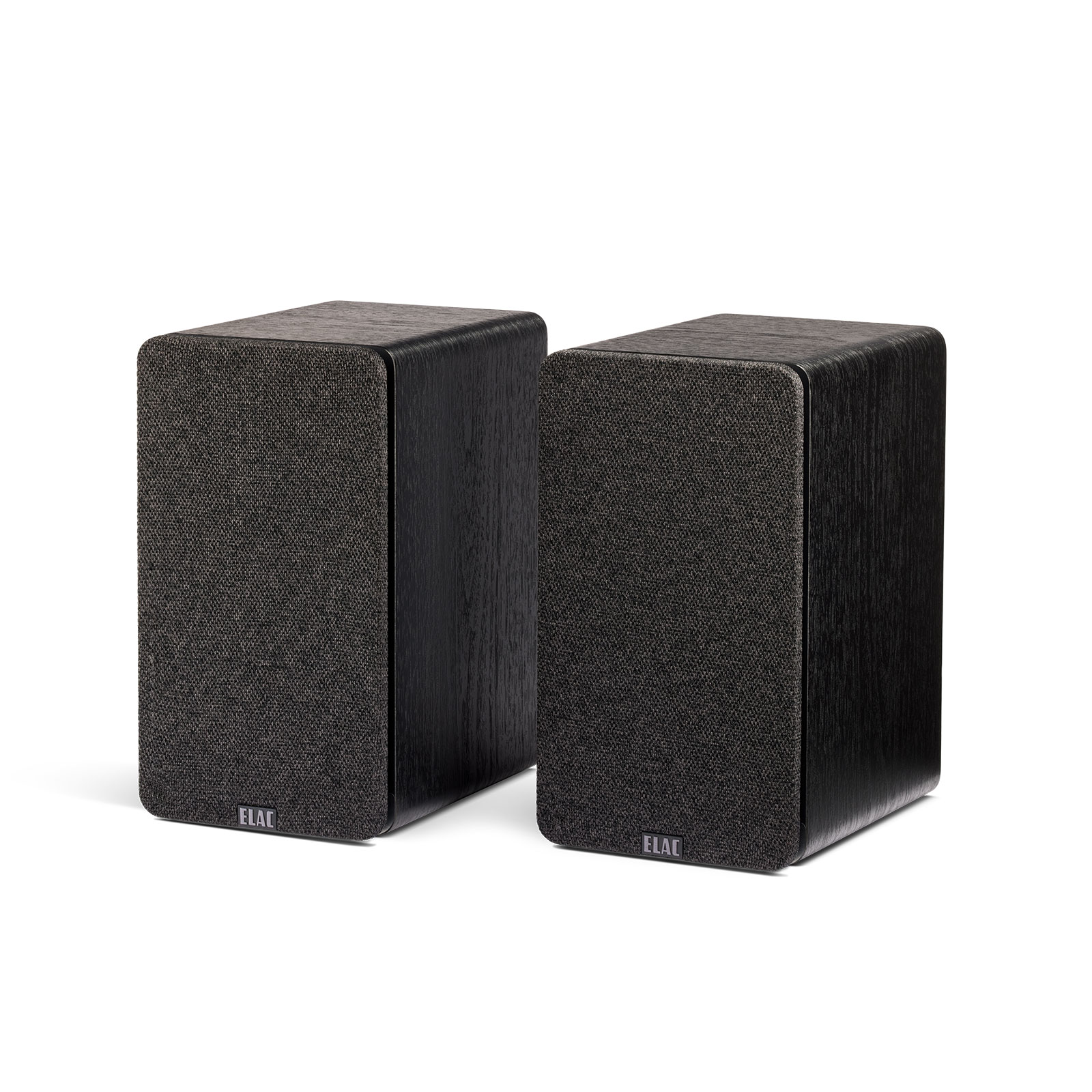
The DCB41 arrives as a matched pair: one powered master unit containing the 50W Class D amplification and all electronics, and a passive slave connected via a supplied 6-foot speaker cable. This architecture keeps costs down compared to fully active designs where both speakers contain amplifiers, though it does tether your placement options to that cable run. Elac wisely includes a switch on the powered unit to designate it as either the left or right channel, allowing you to position the master closer to your source components regardless of which side of the room they live on.
Measuring 9.6 inches tall, 5.5 inches wide, and 8 inches deep, the cabinets are compact enough for desktop duty but substantial enough to avoid the toy-like feel of smaller lifestyle speakers. Available in Black Ash, Walnut, Royal Blue, and a bold Orange, the vinyl wraps are described in the retained evaluations as well applied for the price point, with radiused edges on the front baffle lending a contemporary touch. The perforated cloth grilles attach via peg inserts—functional if not elegant.
The most divisive ergonomic choice is the placement of the volume control and input selector on the rear panel. While this keeps the front face clean, it makes on-the-fly adjustments frustrating unless you’ve memorized the remote’s button layout. There is no front-panel display, only a small LED that changes color to indicate input selection—adequate, but the remote therefore becomes the primary control. An auto-off feature, intended to save power, can be overly aggressive, cutting out during quiet passages or brief pauses between tracks.
---
Connectivity & Features: The Kitchen Sink Approach
Where the DCB41 distinguishes itself is its rear panel. Alongside the expected optical and RCA analog inputs, Elac includes USB Type B (driverless, supporting up to 24-bit/96kHz), Bluetooth with aptX codec support, and crucially, HDMI ARC. This single inclusion transforms the DCB41 from a music-only system into a legitimate TV sound solution, carrying both audio and control signals from your television remote. For apartment dwellers seeking a soundbar alternative that doesn’t sacrifice stereo imaging, this is a significant value add.
The RCA input deserves special mention: via a rear-panel switch, it transforms from a standard line-level input to a moving-magnet phono stage. While serious vinyl enthusiasts will likely want a dedicated external phono preamp, the built-in option is presented in the prior evaluations as serviceable for casual listening and eliminates another box from your chain. A subwoofer output (full-range, with no low-pass filter) allows bass augmentation, though you’ll need to set the crossover on your subwoofer itself.
Elac’s XBass Enhancer offers two levels of low-frequency boost: Level 1 adds roughly 3.5dB at 55Hz, while Level 2 pushes 7dB. Unlike many DSP bass boosts that turn the low end into a bloated mess, XBass is relatively disciplined, utilizing the cabinet’s S-shaped slot port to minimize ventilation noise. It’s a genuine asset for small-room listening, though Level 2 can introduce a slight thuddiness on already bass-heavy material.
---
Sound Performance: Balanced, Not Bombastic
The DCB41 employs a 4.5-inch polypropylene mid/bass driver crossed over at 2kHz to a 0.75-inch soft-dome tweeter. Reported nearfield results describe the presentation as controlled and approachable: controlled, even-handed, and slightly warm. This is not a speaker that chases excitement through artificial treble sparkle or aggressive upper-midrange push. Instead, it offers a refined, gentle demeanor that remains listenable over long sessions.
The midrange is the star here. Vocals emerge with clarity and body, avoiding the chesty congestion that plagues many small ported designs. The treble is detailed and airy without straying into brightness—sparkling, as some listeners describe it, but never harsh. This tonal balance makes the DCB41 forgiving of compressed streaming sources and less-than-ideal recordings, though those seeking the analytical ruthlessness of a studio monitor may find the presentation too polite.
Bass extension is respectable for the cabinet size, reaching down to a claimed 50Hz in-room, though physics dictates you won’t get subterranean rumble without the aforementioned external sub. The XBass feature is genuinely useful here; Level 1 provides satisfying weight for acoustic jazz and rock without overwhelming the midrange, while Level 2 is best reserved for electronic music or low-volume listening where human hearing is less sensitive to bass frequencies. With XBass disabled, the low end is taut and articulate if somewhat lean.
Soundstage imaging is precise for a compact speaker, with the waveguide around the tweeter helping to maintain tonal balance even when listening slightly off-axis. The reported pattern suggests they are not unusually fussy about placement, though like any rear-ported design, they benefit from a few inches of breathing room from the wall to avoid boominess.
---
Comparisons & Alternatives
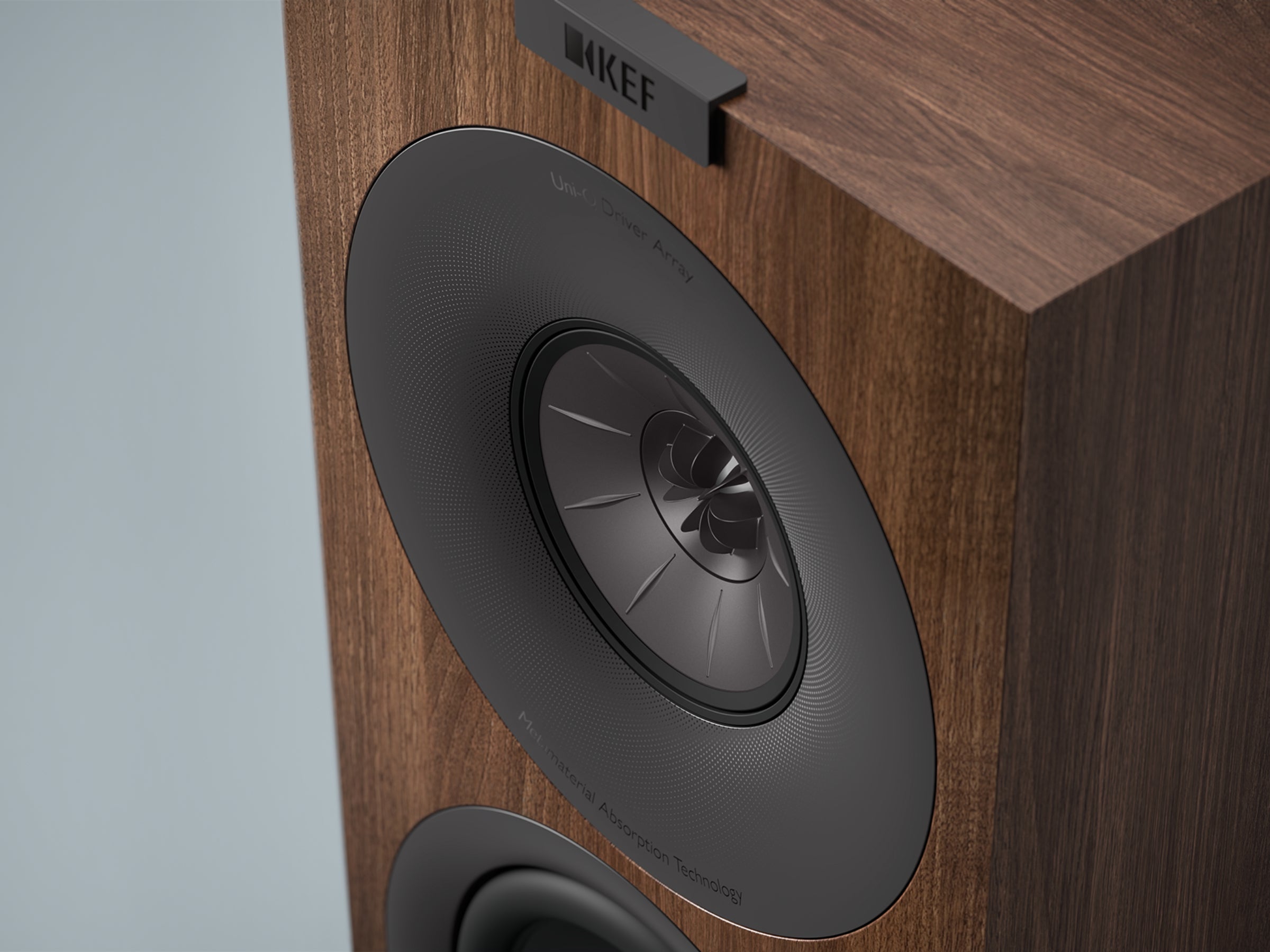
Against the KEF LSX II, the Elac lacks Wi-Fi streaming and network capabilities—the LSX II is a true wireless system with app control and Roon readiness. However, the DCB41 counters with its HDMI ARC implementation and analog/phono flexibility, often at a significantly lower price point (especially when discounted). The KEF offers a more expansive, room-filling soundstage thanks to its Uni-Q driver array, but the Elac provides a more intimate, direct presentation that many prefer for desktop use.
Compared to the Ruark Audio MR1 Mk3, the DCB41 is larger and less aesthetically boutique, but offers superior bass extension, more powerful amplification, and far more connectivity options. The Ruark excels as a pure lifestyle object; the Elac excels as a utility player.
For those considering traditional separates, a $600 budget could yield a decent integrated amp and passive speakers (perhaps from Elac’s own Debut line). However, you’d sacrifice the HDMI ARC, the compact footprint, and the simplicity of a single power cable. The DCB41 is for the listener who values convenience and clean aesthetics without surrendering entirely to a soundbar’s sonic compromises.
---
Living with the DCB41
Its connection set makes the DCB41 a practical multipurpose hub. Connected to a television via HDMI ARC, the documented pattern favors clear, intelligible dialogue, and the system wakes and sleeps with the TV—no more hunting for multiple remotes. As a computer speaker via USB, the driverless plug-and-play nature is refreshing, and the 96kHz capability handles high-resolution audio files without fuss.
The phono stage, while convenient, reveals its limitations with high-end cartridges; it’s quiet and stable, but lacks the dynamic punch and micro-detail retrieval of dedicated preamps in the $200+ range. For a starter turntable like the Rega Planar 1 or Pro-Ject Debut Carbon, it’s perfectly adequate.
The auto-off feature remains the primary annoyance. If you pause music for more than a few minutes, the system may need to be awakened with the remote. It’s a minor friction point, but one that reminds you this is a mass-market product designed for energy compliance rather than pure audiophile indulgence.
---
Verdict
The Elac Debut ConneX DCB41 succeeds by understanding its mission: to be the most accommodating small speaker in its class. It doesn’t attempt to be a high-end streaming endpoint, nor does it pretend to replace floorstanding speakers. Instead, it offers a rare combination of genuine hi-fi sound quality and real-world connectivity that adapts to your existing gear rather than demanding you adapt to it.
Scoring:
• Technical: 84/100 (Well-engineered drivers and amplification, though bass extension is limited by physics) • Build: 82/100 (Solid construction and finishes, but rear-mounted controls and aggressive auto-off detract) • Value: 88/100 (Excellent feature set for the price, especially when discounted below $450/£350) • Versatility: 90/100 (HDMI ARC, phono stage, and sub out cover nearly every use case)
Composite Score: 86/100 (Highly Recommended)
The DCB41 is for bedrooms, offices, small apartments and secondary systems that need TV, computer and turntable inputs in one pair. It is not for buyers who require Wi-Fi streaming, app control, very deep bass or freely separated active speakers. Choose it over the KEF LSX II for phono flexibility and physical inputs; choose the KEF for network streaming and broader spatial presentation.
Methodology
This older review was refreshed from its original research, manufacturer specifications, independent measurements where available, professional evaluations and owner patterns. MyHiFi has not performed hands-on testing of this product. Confidence: Moderate.
MyHiFi may earn a commission from purchases made through affiliate links. This does not influence our editorial decisions or source selection.