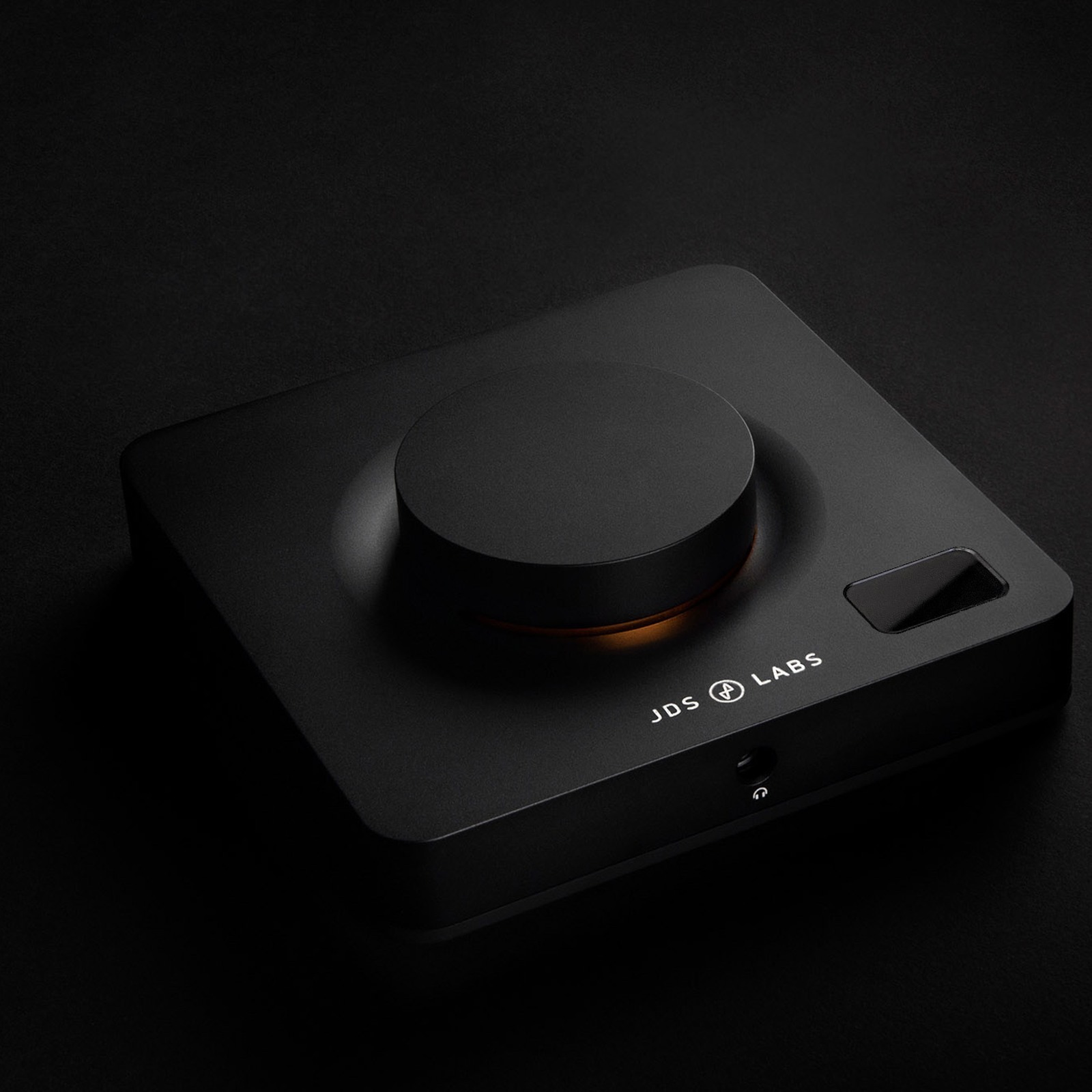
The JDS Labs Element IV combines enough measured power for almost any conventional headphone, hardware DSP that follows the device between sources, and a large optical volume encoder. It is not a connectivity hub: inputs are USB-C and optical; outputs are RCA preamp and one headphone socket.
Pressing the knob switches between headphone and speaker paths, each with remembered volume and correction. Current firmware stores profiles, supports 12 stereo bands or 24 independent left/right bands, and adds loudness, crossfeed and stereo-width controls. Settings run inside the device rather than one player application.
Independent measurements support the underlying hardware: approximately 118dB RCA SINAD, 1.8µVrms audible-band noise, 0.22Ω headphone output impedance, about 3W into 32Ω and up to 10Vrms into higher-impedance loads. The Element IV earns its premium less by promising a unique uncorrected sound than by making transparent amplification, precise volume and repeatable correction feel like one system.
Scorecard
Approximately 3W/32Ω, 10Vrms drive, very low noise, 0.22Ω output impedance and strong DAC measurements; crosstalk and intersample-over behavior are not perfect
Excellent aluminum chassis, optical encoder, auto gain and output memory; tiny display, rear switches, heat and external transformer create friction
Persistent DSP, US assembly/support and industrial design justify much of US$549, but simpler transparent DAC/amps cost substantially less
Sensitive IEMs through difficult planars, USB/optical DSP and RCA preamp use are covered; no analog input, balanced path, wireless, streaming or remote
Who it is for: desktop listeners who use headphone correction; buyers moving between IEMs, dynamic headphones and demanding planars; people who want powered speakers and headphones to retain separate level/EQ states; anyone who values tactile volume control, current firmware and direct manufacturer support.
Who should skip it: buyers prioritizing balanced analog paths, Bluetooth, network streaming, analog input, multiple digital inputs or remote operation; across-room speaker systems; people who will never use DSP and only need transparent conversion/amplification at minimum cost.
Verified specifications
| Specification | Published or independently established value |
|---|---|
| USB/DSP processor | XMOS XU316, 16 cores |
| DAC | One stereo ESS ES9018K2M |
| Analog stages | Three OPA1612 I/V, OPA1656 gain, fourteen paralleled OPA1692 buffers |
| Inputs | USB-C data and Toslink optical |
| Outputs | Standard 6.35mm headphone; variable RCA preamp |
| Gain | Relay-switched 1× low / 5× high, automatic or manual |
| Current DSP | 12 stereo bands or 24 independent L/R bands, PCM only |
| USB formats | PCM through 32-bit/384kHz; DSD64–128 |
| Optical | Through 192kHz without DSP, or through 96kHz with XMOS DSP |
| External power | 17VAC transformer, minimum 1.4A |
Design and controls
The square aluminum chassis is visually dominated by its top knob. That control is a 255-step optical encoder rather than an analog potentiometer, so it avoids the low-level channel mismatch common to inexpensive mechanical volume controls. Independent attenuation tests show effectively perfect matching across the measured range. Default 0.5dB steps provide fine adjustment for sensitive earphones, while relay gain moves automatically from 1× to 5× when more level is needed.
Pressing the knob toggles headphone and RCA modes. Only one is active at a time, and each remembers separate volume, DSP and profile state. This is unusually practical for a desk shared by headphones and powered monitors. It also means the rear RCA sockets are variable preamp outputs—not a documented fixed line output. Maximum independently measured RCA level is approximately 2.04Vrms.
The top display reports source, format, output and gain. Firmware improved text size, but four verified owners still call it small. Power and input controls are rear-mounted, there is no remote, and the external transformer needs power-strip space. The unit runs warm and should not be covered or stacked tightly.
Standard 6.35mm and optional 4.4mm
The normal Element IV has one single-ended 6.35mm headphone jack. JDS will substitute a 4.4mm connector on request, with the same published 3.2W output and a possible one-to-three-day build delay.
That option is cable convenience, not demonstrated balanced amplification. The published topology uses one stereo DAC and a common single-ended output architecture. There is no doubled-voltage bridge claim, separate 4.4mm power specification or independent 4.4mm measurement. Calling the custom socket balanced would exceed the evidence.
Core, profiles and firmware maturity
Element IV launched with ten USB equalizer bands and beta web control. Updates added optical DSP, 12 bands, stored output-aware profiles, automatic headroom, loudness, crossfeed, stereo width, mobile apps, separate left/right correction and XMOS-native PCM volume.
Firmware v2.1.0, released April 2026, moves normal PCM attenuation into the XMOS processor before the DAC and adds custom zero crossing. DSD/DoP and direct ESS optical mode retain DAC-register volume. Settings persist on the hardware, so correction remains active when moving from a computer to a console or optical source.
Optical operation has an important fork. XMOS mode provides DSP through 96kHz. ESS mode accepts up to 192kHz but bypasses DSP. USB supports full-band correction through 192kHz and only two stereo bands above that. The current manual still describes the launch-era ten-band implementation, so firmware release notes are more accurate for present capability.
Graphical editing, imported/community profiles and firmware updates make the software approachable. Strong positive correction still consumes headroom; automatic negative pregain prevents clipping but can leave difficult headphones quieter on soft material.
What the measurements establish
Two independent instrumented evaluations converge on a powerful, low-noise single-ended design. RCA output reaches roughly 2.04Vrms with approximately 117.4–118.0dB SINAD. AES17 dynamic range measures around 119.5dB, and a second test reports 120.7dB SNR.
The amplifier produces approximately 3W into 32–33Ω and up to 10Vrms into loads at or above 32Ω. One low-distortion sweep reaches 3.141W/33Ω and 348.9mW/300Ω without a formal 1% THD criterion. These are not universal clipping figures, but confirm ample current and voltage.
Audible-band output noise measures 1.8µVrms in one package. A 50mV/12Ω IEM simulation reaches 87dB THD+N, and owner reports repeatedly find no hiss with sensitive earphones. The 0.22Ω measured output impedance minimizes frequency-response interaction with multi-driver IEMs.
Full-scale headphone crosstalk worsens from roughly -88dB/300Ω to -68dB/32Ω. The DAC can clip on intersample overs, one channel shows a small high-frequency THD+N rise, and DAC noise is excellent rather than frontier-leading. These reject perfection language, not ordinary transparency.
USB noise and the optional isolator
One analyzer setup exposed substantial USB-related noise until grounding removed most of it and isolation removed the remainder. Another independent setup found only small differences between direct computer USB and an isolator. One owner deliberately reproduced degradation from a noisy front-panel port while motherboard ports behaved better.
Isolation can solve a real ground or host-noise problem, but is not a universal upgrade. Start with a rear motherboard port and add isolation only when the actual system exhibits interference.
Headphone and preamp use
Measured low noise and fine volume control make the Element IV suitable for sensitive IEMs, while its voltage/current envelope covers high-impedance dynamics and most planars. Reports include successful use with very demanding headphones, though EQ pregain and unusually quiet recordings can consume the available margin. The original low-sensitivity Susvara class remains an unreasonable universal promise without controlled SPL and clipping data.
The RCA path is more capable than a token line output because it retains independent DSP and volume. It works well with powered monitors or a power amplifier at a desk. Lack of remote control and analog input makes it less suitable as a living-room preamp.
Comparisons and buying decisions
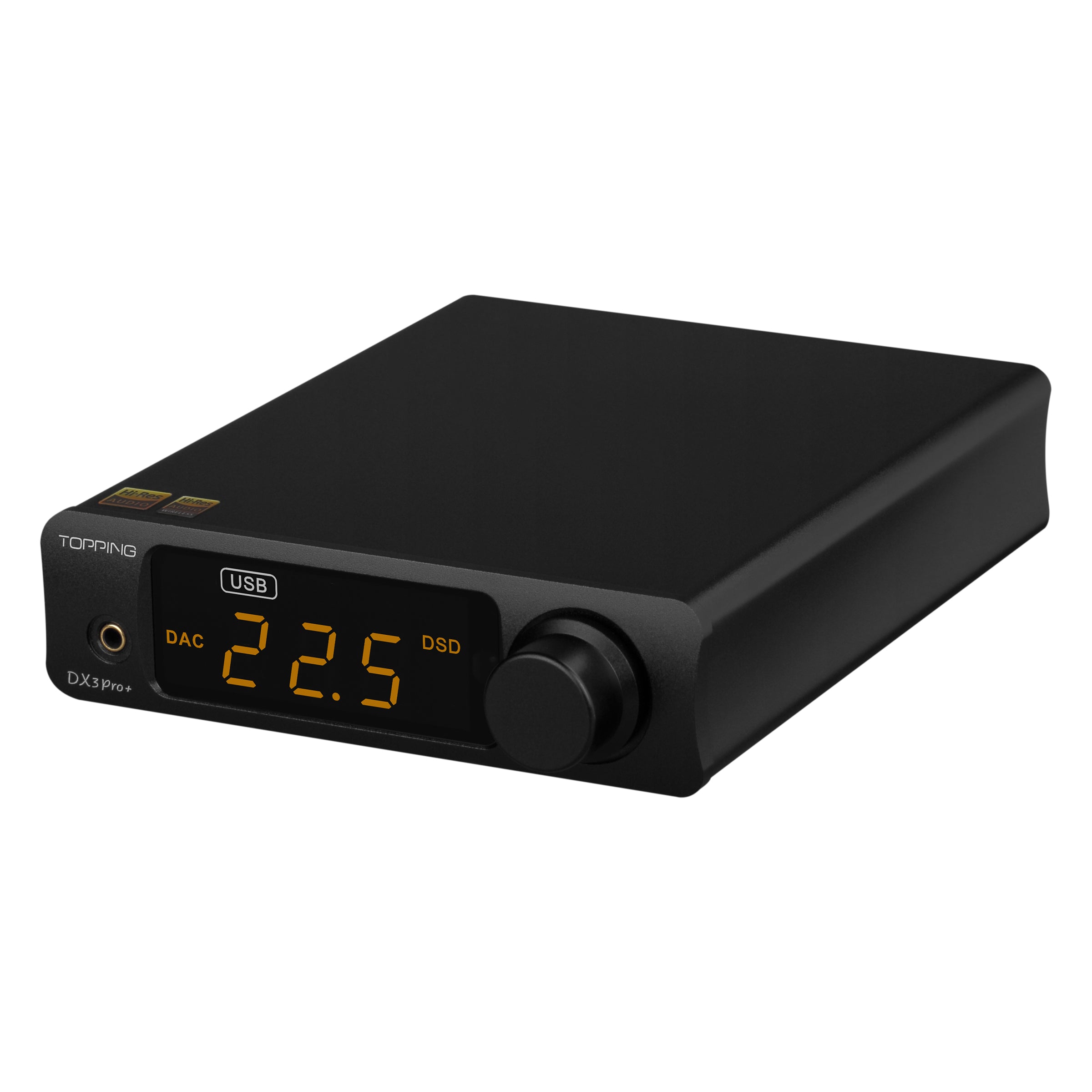
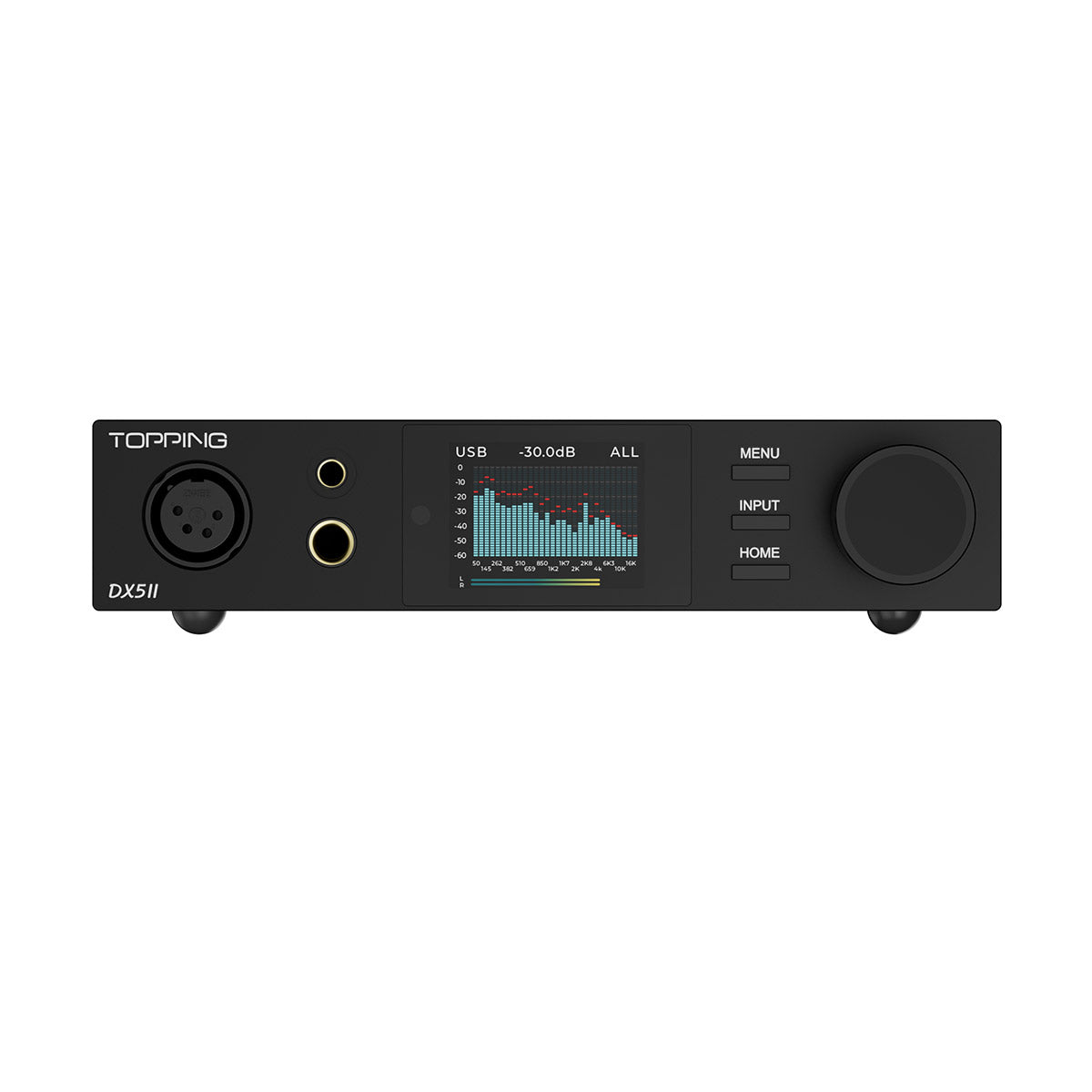
The Topping DX5 II costs substantially less and offers a broader value-first route to high measured performance. Element IV's advantage is not a claim of cleaner audible conversion; it is the combination of persistent correction, output-specific memory, the large encoder and direct support. Buyers who do not value that workflow have little reason to pay the difference.
The Fosi Audio K7 is the more flexible budget desktop interface, adding microphone/gaming utility and broader connection use cases. Element IV is the stronger specialist for precise headphone power, low-level control and hardware-resident correction.
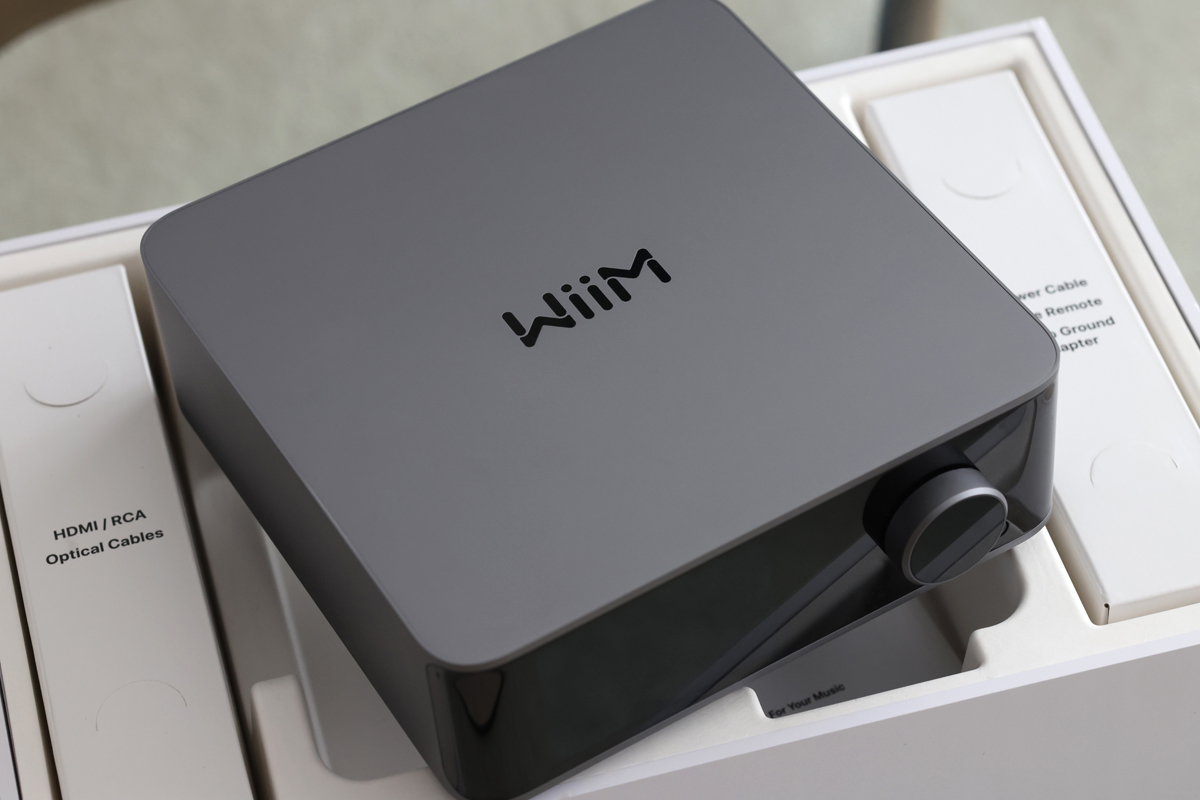
The WiiM Ultra is the system-hub alternative for streaming, television and remote-controlled speaker use. It cannot replace the Element IV's headphone amplifier role, while the Element IV cannot match its network and living-room flexibility.
Owner evidence and support
The official page exposes 159 complete Verified Buyer reviews representing 156 displayed names, separate from a 4.99/5 aggregate. Manufacturer hosting can introduce selection bias, so this is exact-ownership evidence rather than a neutral failure-rate study.
The knob appears in 39 owner bodies and receives consistent praise, with no encoder failure. Equalization appears in 85 and is usually cited as the product's central advantage. Multiple owners confirm one-press headphone/speaker switching, persistent settings, clean IEM operation and sufficient power.
Cautions are modest but real: four owners criticize the display size, one dislikes the relay click during automatic gain switching, and several encounter power limits only after EQ pregain or with unusually difficult headphones. Early profile-import and iOS-control complaints were subsequently addressed. One optional clear-resin knob had cosmetic imperfections. No recurring exact-model functional failure or return appears in the 159-body corpus, but maximum possible ownership is only about 19 months—not multi-year reliability.
Price and Canadian ordering
Element IV launched at US$499 through the end of 2024, with the increase announced in advance. The current black model is US$549; Silver Edition is US$598. A tested Ontario checkout quoted shipping from US$32, producing a US$581 subtotal before Canadian tax, import or brokerage. No authorized Canadian in-country stock page was verified.
At US$549, transparent output alone cannot justify the price. Persistent DSP, tactile control, US assembly, customization and support must matter to the buyer. If they do, the package is unusually coherent. If they do not, less expensive devices can satisfy the conversion-and-power requirement.
Verdict
Element IV is an Exceptional desktop tool because its measurements, controls and correction system reinforce each other. It can disappear electrically, remain controllable at IEM level, drive difficult headphones and preserve separate speaker/headphone tuning without tying the workflow to one playback application.
Its limits are deliberate but substantial: only USB and optical inputs, one single-ended headphone path, variable RCA output, no analog input, no wireless, no streaming and no remote. This is not the most connected DAC/amp at US$549. It is one of the most resolved versions of the arm's-reach desktop DAC/amp.
Methodology
This assessment combines exact-model architecture and firmware records, two independent instrumented evaluations, eight professional evaluations and 159 complete manufacturer-hosted Verified Buyer bodies. Launch-era measurements are not presented as tests of later DSP/volume firmware. MyHiFi has not performed hands-on testing of this product. Outside source names and quotations are retained only in the private research dossier.
MyHiFi may earn a commission from purchases made through affiliate links. This does not influence our editorial decisions or source selection.