Micca RB42 Review: Physics-Defying Bass That Demands Respect (and Watts)
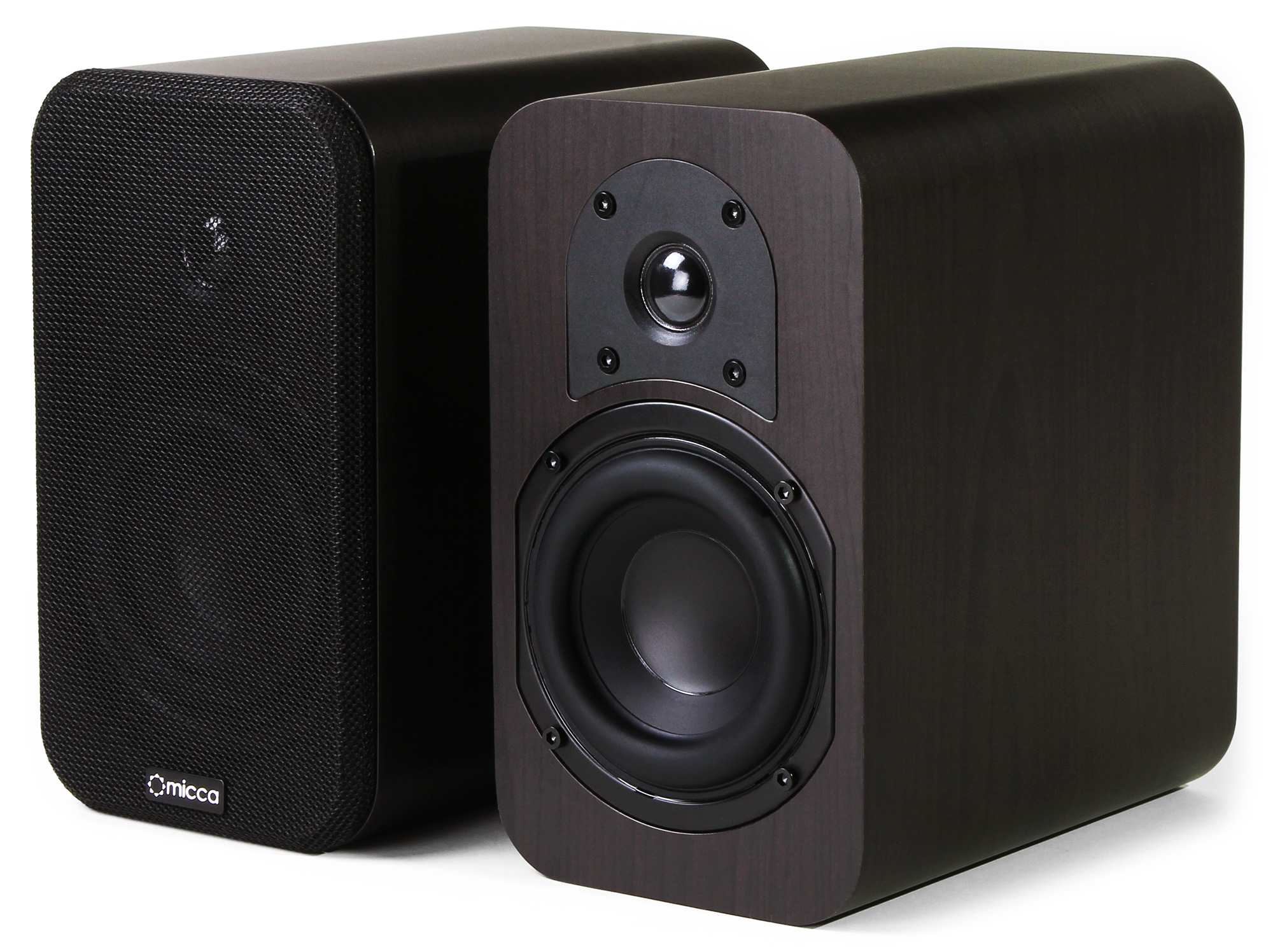
The Micca RB42 arrives as a provocation to the laws of acoustics—a shoebox-sized enclosure promising low-frequency authority that seems impossible given its internal volume. At approximately $150, these compact stand-mounts don't merely aim for budget-conscious entryism; they attempt to rewrite the relationship between cabinet size and bass output. But there's a catch, and it's written in ohms: with an 83dB sensitivity rating and a 4-ohm nominal impedance that dips lower in the bass, the RB42 requires amplification muscle typically reserved for floor-standing towers, not desktop companions. This is a speaker that rewards system matching over casual connectivity, offering genuine high-end coherence only to those willing to feed its appetite for current.
Design & Build
The RB42 opts for density over diffusion. The sealed-box architecture—unusual at this price point—houses a 4-inch woofer augmented by a passive radiator system rather than a traditional port. This configuration trades the boundary-flexibility of bass-reflex designs for punch and transient control, though it places significant thermal and electrical demands on upstream electronics. The cabinet is compact and described in the existing review as unusually dense, but the available record does not verify its internal bracing or wall damping. Finish durability and binding post quality align with the entry-level pricing—functional and secure, if not luxurious—while the grille attachment method favors practicality over premium tactility.
Connectivity & Features
As passive loudspeakers, the RB42 offer no onboard connectivity beyond the speaker terminals. The critical specification here is the load presented to your amplifier: that 4-ohm impedance combined with 83dB sensitivity means these speakers will consume watts greedily. Class D amplifiers with robust current delivery or traditional Class A/B designs with stable 4-ohm ratings are not suggestions here—they're requirements for realizing the design's potential. Entry-level AV receivers or vintage integrated amplifiers lacking 4-ohm stability will likely current-limit before the RB42 reveal their capabilities, resulting in a thin, strained presentation that betrays the engineering within.
Sound Performance
The RB42's sonic signature prioritizes musical engagement over monitor-like neutrality. The passive radiator loading presents low-frequency extension that defies the cabinet dimensions, creating tactile bass that competes with larger, ported rivals. However, this comes with dynamic constraints; when driven toward spirited levels, listeners report the midrange exhibits compression artifacts before the woofer reaches its mechanical limits, suggesting the thermal limits of the compact motor system are being approached.
The treble region presents elevated energy that adds perceived detail and air but can verge toward stridency with poorly recorded material, according to the findings retained in the original review. The midrange offers vocal presence that belies the small driver complement, though not with the effortless openness found in larger cabinets. The existing evidence favors nearfield use, where power demands lessen and woofer-to-tweeter coherence is easier to maintain. Boundary placement proves less problematic than rear-ported competitors, though room gain can exacerbate the already substantial low-end output.
Comparisons
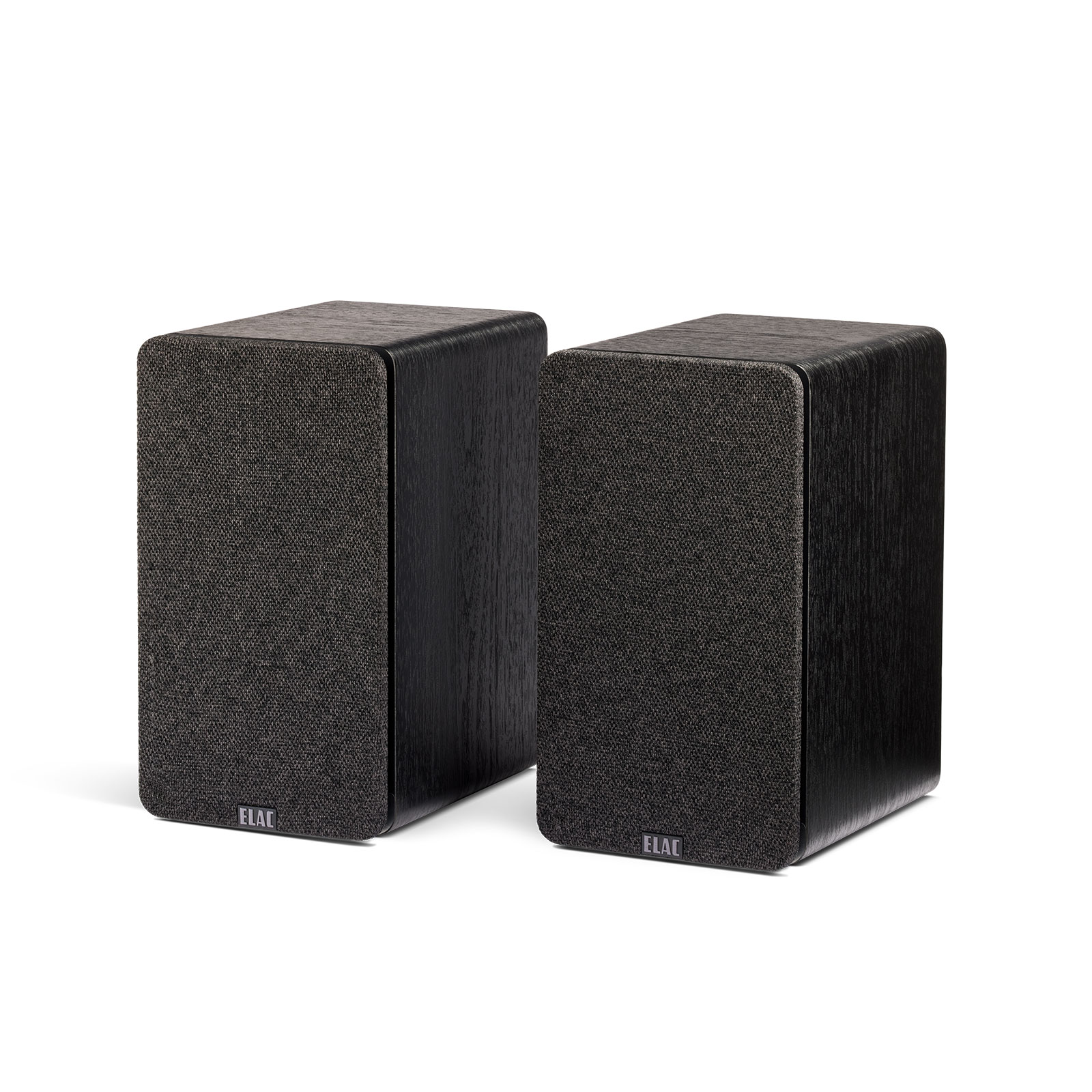
Against the ELAC Debut 2.0 B5.2, the RB42 offers superior boundary independence—place them against walls without the boom that plagues the ELAC's rear port—but sacrifices the ELAC's dynamic ease and midrange openness at higher SPLs. The Sony SSCS5 presents a more diffuse soundstage and significantly easier amplifier load, though it lacks the RB42's low-end authority and cabinet sophistication. Compared to the Wharfedale Diamond 12.0 or Neumi BS5, the Micca trades ultimate refinement and treble smoothness for visceral impact and bass extension, requiring more careful system matching than any of these alternatives. Where competitors ask for accommodation, the RB42 demands partnership.
Who It's For
The RB42 suits the desktop audiophile or small-room listener who prioritizes bass extension and tonal warmth over SPL capability. If you own a capable integrated amplifier or robust Class D powerhouse and listen at moderate levels, these speakers deliver a fullness that seems impossible from their footprint. They are ideal for nearfield monitoring, vinyl-focused systems in compact apartments, or secondary systems where space is at a premium but musical satisfaction cannot be compromised. They are not, however, for the casual user hoping to drive them with an entry-level receiver, nor for large-room, party-level listening where compression becomes audible and the small drivers strain to fill the volume.
Verdict
The Micca RB42 represents a specific and compelling value proposition: genuine bass extension and engaging tonal warmth in a footprint that defies physics, but only for those willing to feed them properly. They are not plug-and-play solutions but rather "destination starter speakers" that reward careful amplification choices and realistic SPL expectations. For the listener with adequate power who values coherence over convenience, the RB42 offers a taste of high-end musicality at a fraction of the cost. For everyone else, the amplification demands may outweigh the spatial benefits.
Scorecard
Rating: Recommended. Composite: 76/100.
Buying decision and value
Buy the RB42 for nearfield or small-room use when compact dimensions and strong bass for the cabinet size matter, and only if the amplifier is rated for a 4-ohm load. Do not buy it for party levels, a large room, or an amplifier whose 4-ohm capability is unknown. Easier-to-drive alternatives may cost less once amplification is included.
The product record lists a $150 MSRP. MyHiFi has not independently verified a live July 2026 selling price or current availability. Compare the total system cost, including a suitable amplifier, against larger and more efficient speakers before deciding.
Methodology
This review is an editorial assessment based on the specifications, comparisons, and reported sound characteristics preserved in the original review. MyHiFi did not perform hands-on testing of this unit. Historical source files and source counts were not reconstructed, and an unsupported inference about internal cabinet construction was removed.
Price context was reviewed in July 2026. Retail pricing and availability can change; verify both before buying.
MyHiFi may earn a commission from purchases made through affiliate links. This does not influence our editorial decisions or source selection.