Most hybrid IEMs combine two driver technologies. The Simgot SuperMix 4 combines four: a 10mm dynamic driver for bass, a balanced armature for mids, a micro planar magnetic for treble, and a piezoelectric driver for upper treble. At a verified US$169.99 marketplace price in July 2026, it is an unusually driver-diverse IEM below US$200—and the question is whether that diversity produces coherence or compromise.
Independent frequency-response measurements confirm a tuning that closely follows the Harman 2019 target, with elevated sub-bass, neutral mids, and a smooth treble shelf. Two separate marketplace pools totaling more than 500 ratings indicate broad adoption, but rating averages were not substituted for inspected owner evidence. The qualified consensus is that the SuperMix 4 is balanced, engaging, and technically above average for the price.
The disagreement is about driver integration. One evaluation hears the top end lose its footing on dense material — cymbal and chime transients blurring together, plausibly where the planar element hands the highest octave to the piezo unit. Another hears a clean, well-mannered top end and nothing of the sort. The quad-brid approach is innovative, but it asks four fundamentally different transducer technologies to work as one — and the seams occasionally show.
Scorecard
Harman-compliant tuning, good bass, above-average technicalities; driver cohesion is the open question, with upper-treble blur reported by one source
3D-printed resin + metal faceplate, quality cable; large shell may be uncomfortable for long sessions
Four driver types at $170 is genuinely unique; value depends on whether the approach works for your ears
Broad genre compatibility, gaming-capable; low impedance makes it source-sensitive
Who it is for: listeners who want to experience four driver technologies in one IEM; Harman-target fans who want elevated sub-bass with smooth treble; gamers who value imaging and isolation; listeners upgrading from single-DD budget IEMs who want more driver diversity.
Who should skip it: listeners sensitive to driver handoff artifacts; users with small ears who need a compact shell; anyone using a high-output-impedance source; listeners who prioritize vocal spatial depth above all else.
Verified specifications
| Specification | Published value |
|---|---|
| Driver configuration | 1DD (10mm) + 1BA + 1Planar + 1PZT (piezoelectric) |
| Impedance | 7.2 Ω ±15% @ 1 kHz |
| Sensitivity | 120 dB/Vrms @ 1 kHz |
| Frequency range | 8 Hz – 40 kHz (effective 20 Hz – 20 kHz) |
| Shell | 3D-printed resin (black translucent) + CNC metal faceplate |
| Cable | Detachable, 0.78mm 2-pin, OFC silver-plated Litz, 3.5mm |
| Crossover | RC four-way electronic, independent acoustic ducts per driver |
| Warranty | 1 year |
Design and comfort: large shell, quality cable
The SuperMix 4 uses a 3D-printed black translucent resin shell with a CNC-machined matte metal faceplate. The design is functional rather than flashy. The shell is larger than average, which provides excellent isolation but means some users will find it uncomfortable for extended sessions.
The cable is a bright point — OFC silver-plated Litz, braided, tangle-resistant, with dark gray metal connectors and a 3.5mm plug. The 0.78mm 2-pin connector allows aftermarket cable swaps. Included accessories — a zipper case and multiple tip sets — are adequate for the price.
The large shell provides excellent isolation. For commuters, stage monitors, or gamers in noisy environments, this is a genuine advantage. For listeners with small ears, it is a problem.
What the measurements mean
Independent frequency-response measurements on a coupler rig confirm the SuperMix 4 follows the Harman 2019 target closely. Sub-bass is elevated; midrange is neutral with a slight upper-midrange emphasis in the 2–5 kHz region; treble is smooth and even. Left/right matching is good.
The impedance plot reveals a rise at lower frequencies, meaning the SuperMix 4 is source-sensitive. A high-output-impedance source will shift the frequency response — bass may thicken and treble may recede. A low-impedance source is recommended for the intended tonal balance.
The measurement data does not resolve the treble dispute. The frequency-response curve looks smooth, but a static curve cannot capture transient behavior or how cleanly one driver passes the signal to the next. The piezoelectric element covers the uppermost octave, and the blur one evaluation describes — if real — would live in the time domain, invisible to a frequency sweep.
Sound character: balanced, engaging and imperfectly integrated
Bass is the SuperMix 4's strongest asset. The 10mm dynamic driver delivers punchy, tactile bass with good sub-bass rumble. Basslines are taut and controlled, and the sub-bass elevation adds weight without overwhelming the midrange. On electronic and hip-hop material, the bass is satisfying and authoritative.
The midrange is neutral and clear but divided in reception. One evaluation rates it well overall while noting the lower midrange can thicken and crowd when arrangements fill up. Another hears vocals as precise but boxed-in, missing the air and dimensionality that give a voice presence in the mix. The upper-midrange emphasis in the 2–5 kHz region brings vocals forward, which some listeners will find engaging and others will find artificial.
Treble is where the written evaluations part ways. One hears a smooth, even, slightly dark top end — safe and non-fatiguing. The other hears the highest octave stumble when the music gets crowded: cymbal tails and chimes losing their outlines, a blur that plausibly traces to the piezoelectric element or to the seam where the planar unit passes it the signal. That is one evaluation's finding rather than a consensus, but it recurs throughout that evaluation — and it points at the core difficulty of making four transducer technologies behave as one.
Imaging and technical performance are above average for the price. Multiple reviewers praise the soundstage width and imaging precision. For gaming, the SuperMix 4 is described as excellent with strong positional cues. The isolation from the large shell enhances the immersive experience by blocking external noise.
Comparisons: what else should you buy?
The Truthear Pure at $89.99 is the value alternative. It uses a 1DD+3BA hybrid with fewer driver types but superior coherence. The Pure is warmer and more forgiving; the SuperMix 4 is more technically ambitious. Choose the Pure for cohesion and value; choose the SuperMix 4 for driver diversity and isolation.
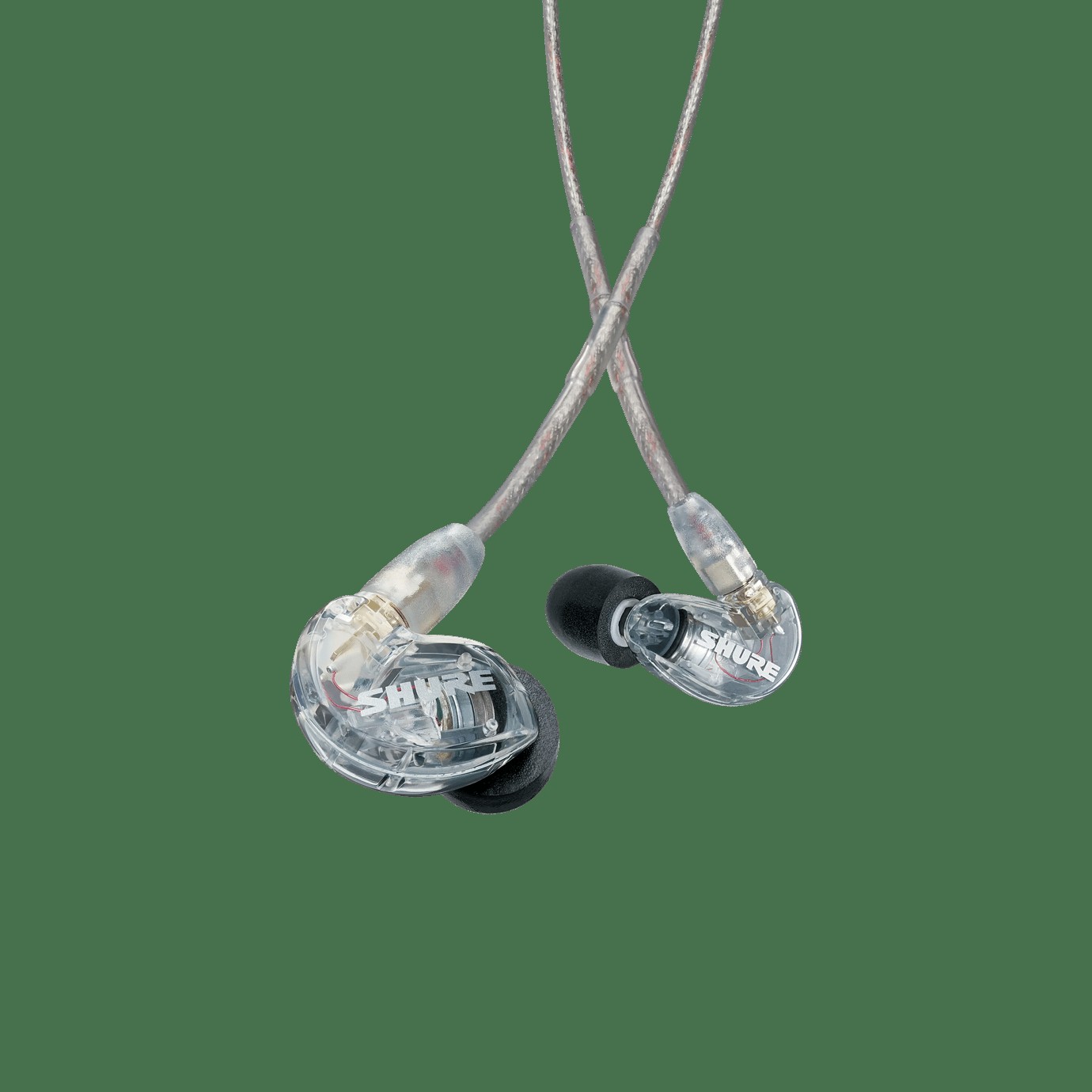
The Shure SE215 at $93–$109 is the isolation-focused alternative. The SE215 cannot match the SuperMix 4's sound quality, driver count, or technical performance, but it offers professional-grade build and comparable isolation in a more compact shell. Choose Shure for comfort and durability; choose Simgot for sound.
The Truthear Hexa at $89.99 is the neutral reference alternative. It uses an all-balanced-armature configuration with a more analytical signature. The SuperMix 4 is more engaging and bass-forward; the Hexa is more detailed and cohesive. Choose Hexa for analytical listening; choose SuperMix 4 for enjoyment and gaming.
The Simgot EM6L is the sibling alternative. It uses a 1DD+4BA configuration at a similar price. The EM6L is more conventional in its driver approach and may offer better cohesion. The SuperMix 4 is more experimental.
Pairing and everyday use
The SuperMix 4 is easy to drive at 120 dB/Vrms sensitivity but source-sensitive at 7.2Ω impedance. A phone jack or USB-C dongle with low output impedance will deliver the intended tonal balance. Aftermarket tips (SpinFit, Final E-type) are a common solution for fitment issues with the large shell.
For gaming, the SuperMix 4's imaging and isolation make it a strong contender. Multiple reviewers position it as gaming-capable, with strong positional cues and excellent environmental noise blocking.
Value and verdict
At US$169.99, the Simgot SuperMix 4 delivers four driver technologies, Harman-target tuning, above-average technical performance, and excellent isolation in a 3D-printed shell with a quality cable. Two marketplace rating pools indicate strong adoption. The quad-brid approach remains unusually ambitious below US$200, but driver count alone does not establish superiority over simpler designs.
The honest qualification is that innovation does not guarantee cohesion. The four driver types do not always integrate seamlessly, and the upper-treble blur one evaluation describes may be a deal-breaker for listeners who prioritize treble clarity. The large shell is a comfort trade-off for the isolation it provides. The price has risen $20 since launch, narrowing the value gap with more conventional alternatives.
The Simgot SuperMix 4 earns 82/100 and a Highly Recommended rating because it attempts something no competitor at this price does — and mostly succeeds. The sound is balanced, engaging, and technically capable. The driver integration is imperfect, but the result is more interesting than a safer, more cohesive alternative would be. The SuperMix 4 is the IEM you buy when you want to hear what four driver types sound like together — and you accept that the seams occasionally show.
MyHiFi weights Technical Performance at 30%, Value at 30%, Build Quality at 25% and Versatility at 15%. The resulting weighted composite is 82.30, rounded to 82/100, in the Highly Recommended band.
Methodology
This assessment draws on two independent response datasets, two professional written evaluations published in 2024 and 2025, five video evaluations, two marketplace rating/owner datasets, and live July 2026 pricing. Two written-review units in the evidence set were supplied by the manufacturer. Confidence is moderate for tuning conclusions, moderate for driver-cohesion conclusions because the evaluations disagree, and low for owner-pattern conclusions because much of the rating text was inaccessible or limited. MyHiFi did not perform hands-on testing.
Affiliate disclosure: MyHiFi may earn a commission from purchases made through affiliate links, at no additional cost to you. This does not influence our editorial decisions, scores or source selection.