Honest reviews for people who want better sound
UPDATED WEEKLY
Home/Brands/Sennheiser
Manufacturer profile · Founded 1945

Sennheiser

From farmhouse microphones to open-back references, wireless production systems and Sonova-operated consumer audio: the history, engineering identity and current lineup behind one of audio's broadest names.

Updated July 18, 2026Lineup verifiedCanada + United States
Sennheiser HD 550, HD 600 and MOMENTUM True Wireless 4 products in an editorial collage
In this profile
At a glanceWhy it mattersCompany historyWhat it is known forInnovation ledgerEngineering identityCurrent lineupIndustry positionMyHiFi coverageWho it is forSources and notes

Sennheiser is not one company selling one coherent catalog anymore. The name now spans two related businesses: the family-owned professional operation in Germany and Sonova's Consumer Hearing business, which has held a perpetual licence to use the Sennheiser brand for consumer products since March 2022. Understanding that split is essential to understanding what Sennheiser makes, who supports it, and why a wireless MOMENTUM headphone and a Spectera production system can carry the same name while belonging to different corporate structures.

At a glance

FieldVerified position
Founded1945
FounderDr. Fritz Sennheiser
Original nameLaboratorium Wennebostel, usually shortened to Lab W
Professional headquartersWedemark-Wennebostel, Germany
Professional ownershipFamily-owned Sennheiser electronic SE & Co. KG
Consumer ownershipSonova Consumer Hearing; acquired March 1, 2022
Brand arrangementSonova holds a perpetual licence for Sennheiser-branded consumer hearing products
Known forHeadphones, microphones, wireless production systems, conferencing audio and immersive sound
Lineup scope hereRepresentative products listed in official Canadian and US catalogs
Lineup last verifiedJuly 18, 2026

Why Sennheiser matters

Sennheiser's importance comes from continuity across both sides of audio. It built products used to create, transmit and monitor sound, then carried parts of that engineering identity into consumer listening. The HD 414 helped establish open-back headphones as a major category. The HD 25 became a durable monitoring and DJ platform. The HD 600 family made replaceable parts and long production lives part of Sennheiser's audiophile reputation. On the professional side, the company's microphones and wireless systems are embedded in broadcast, film, live production, education and corporate rooms.

That breadth is now more complicated. Sonova develops the consumer products: audiophile and wireless headphones, true-wireless earbuds, AMBEO soundbars, TV listening systems and hearing solutions. The Sennheiser family company focuses on professional audio: microphones, RF systems, monitoring, filmmaking tools and meeting-room products. The shared badge still carries accumulated trust, but buyers should judge the product family, support organization and generation in front of them—not assume that every Sennheiser product has the same design team or priorities.

Company history

1945–1956: Lab W and microphones

Dr. Fritz Sennheiser founded Laboratorium Wennebostel in a farmhouse near Hanover in 1945. The young business made measuring instruments for Siemens. In 1946 it manufactured the DM 1 microphone for Siemens, followed by its own DM 2 in 1947. That sequence matters: Sennheiser's roots were in professional capture and measurement, not headphones.

The company says its MD 82, launched in 1956, was the world's first shotgun microphone. The directional form became fundamental to broadcast and film production, although this profile treats the priority wording as a company-documented claim rather than an unrestricted claim over every earlier directional microphone design.

1960s–1970s: open headphones and enduring microphones

Sennheiser introduced the MD 421 dynamic microphone around the beginning of the 1960s. It became a long-running studio, broadcast and stage design. In 1968, the HD 414 arrived as the first commercially released open-back headphone according to Sennheiser's history. Its lightweight construction and replaceable foam pads turned open listening into a mass-market format rather than a laboratory curiosity.

The MD 441 followed in 1971. Its long production life, controlled pickup and distinctive shape made it another example of the company's preference for platforms that survive beyond a normal consumer refresh cycle.

1982–1999: generational change and system building

Fritz Sennheiser handed company management to his son Jörg in 1982. The HD 25 arrived in 1988 and found lasting roles in location monitoring, broadcast and DJ work. Its success did not come from luxury materials; it came from low weight, strong isolation, high usable level and individually replaceable parts.

The limited HE 90 Orpheus electrostatic headphone system followed in 1991. It established a halo-product strategy that returned with the HE 1 in 2015. The Evolution microphone series launched in 1998, followed by Evolution Wireless in 1999, extending Sennheiser from individual microphones into scalable live-performance systems.

2000–2016: digital systems, reference headphones and immersive audio

The MKH 800 expanded the company's high-frequency studio-microphone work around 2000. The HD 800 arrived in 2009 with a ring-radiator dynamic driver and a deliberately spacious reference presentation. In professional wireless, Digital 9000 followed in 2012 with uncompressed digital transmission. The first MOMENTUM consumer headphone series also appeared in 2012, giving Sennheiser a more lifestyle-oriented identity alongside the utilitarian HD families.

Daniel and Andreas Sennheiser, the founder's grandsons, took over as co-CEOs in 2013. The HE 1 electrostatic system followed in 2015. AMBEO launched in 2016 as an umbrella for immersive recording, processing and playback; it later expanded into consumer soundbars and automotive audio collaborations.

2017–2021: wireless production and a strategic split

Digital 6000 launched in 2017, bringing parts of the Digital 9000 architecture to a broader professional tier. TeamConnect Ceiling followed as a beamforming meeting-room platform. At the same time, consumer headphones became more software-dependent and competed in markets with shorter refresh cycles, large development costs and powerful mobile ecosystems.

In 2021 Sennheiser agreed to sell its Consumer Division to Sonova for EUR 200 million. The transaction covered the consumer headphone, hearable, audiophile, enhanced-hearing and soundbar business. The professional operation remained with the Sennheiser family.

2022–2026: one badge, two businesses

Sonova completed the acquisition on March 1, 2022 and formed Consumer Hearing as a fourth business unit. Sonova secured a perpetual Sennheiser brand licence for existing and future consumer hearing devices. That business now develops products such as MOMENTUM, ACCENTUM, the consumer HD and IE ranges, AMBEO soundbars, TV listening products and over-the-counter hearing solutions.

The family-owned professional business continued to develop systems including Spectera, which Sennheiser describes as a wideband bidirectional wireless ecosystem. In 2026 Andreas Sennheiser assumed responsibility for company management while Daniel Sennheiser moved to the board of directors. The result is not a conventional parent-and-subsidiary relationship: it is a licensed consumer brand operating beside a separately owned professional company with shared history and ongoing cooperation.

What Sennheiser is known for

Open-back and reference headphones

The HD 414 established the historical claim; the HD 580, HD 600, HD 650, HD 800 and their descendants built the modern reputation. The common thread is not one fixed tuning. It is a family of open headphones intended for attentive home listening, often with replaceable cables and wear parts. Some models emphasize midrange naturalness, others spatial scale, and newer products aim for easier source matching or stronger bass extension.

Repairable product platforms

The HD 25 and HD 600 families are unusually visible examples of long-running platforms supported by replaceable pads, cables, headbands and driver assemblies. This should not be generalized to every wireless earbud or soundbar, but it remains a real competitive advantage in the wired catalog.

Microphones and professional wireless

Sennheiser's oldest expertise is capture. Dynamic microphone platforms such as the MD 421 and MD 441 sit beside MKH broadcast and film microphones, Evolution stage microphones, MKE camera products and Profile Wireless creator systems. RF products range from accessible Evolution Wireless Digital systems to Digital 6000 and Spectera.

Audio across the full signal path

The company has repeatedly worked across capture, transmission and monitoring rather than in only one category. AMBEO extends that approach into immersive processing and playback. TeamConnect applies microphone-array and beamforming work to meeting rooms. This systems perspective distinguishes Sennheiser from brands that primarily sell playback hardware.

Innovation ledger

YearProduct or technologyContribution labelWhat can safely be claimedWhy it mattered
1946–1947DM 1 and DM 2Manufactured, then introducedLab W made the DM 1 for Siemens and released its own DM 2 the following yearEstablished the company in professional microphones
1956MD 82Company-documented firstSennheiser identifies it as the first shotgun microphone; broader priority is kept scoped to that company recordDirectional capture became essential for film and broadcast
1968HD 414Introduced / category-formingSennheiser documents it as the first open-back headphoneOpen listening became a commercial headphone category
1988HD 25Introduced / popularizedA lightweight modular monitor that became widely used in broadcast and DJ workDemonstrated the value of isolation, durability and field-replaceable parts
1991HE 90 OrpheusIntroducedA limited electrostatic headphone and amplifier systemEstablished Sennheiser's modern halo-headphone strategy
1998–1999Evolution and Evolution WirelessIntroduced / scaledCoordinated wired and wireless stage-microphone familiesShifted the catalog toward repeatable live-production systems
2009HD 800IntroducedRing-radiator dynamic headphone architecture in a flagship open-backReframed Sennheiser's reference line around spatial scale and driver geometry
2012Digital 9000IntroducedProfessional digital wireless system using uncompressed transmissionAdvanced high-end RF audio without perceptual data reduction
2015HE 1Refined / reintroducedSuccessor to Orpheus with an integrated electrostatic systemReturned the halo concept with modern materials and electronics
2016AMBEOIntroduced as a platformImmersive capture, processing and playback umbrellaConnected professional spatial-audio work with consumer playback
2017–2018Digital 6000 and TeamConnect CeilingIntroduced / adaptedDigital RF architecture at a broader tier and automatic beamforming for roomsExtended core microphone expertise into scalable production and conferencing
2024SpecteraCompany-documented firstSennheiser describes Spectera as the first wideband bidirectional wireless ecosystemCombines microphones, in-ear monitoring and control within one RF platform

The ledger deliberately avoids treating every marketing launch as an invention. “First” is used only with a stated scope and provenance.

Engineering and design identity

Platforms over isolated products

Sennheiser's strongest products often behave like platforms. HD 600-series parts interchange across generations. HD 25 components can be replaced instead of discarding the headphone. Evolution Wireless systems are built around compatible transmitters, receivers, capsules and software. AMBEO and TeamConnect are ecosystems rather than single boxes.

The limitation is that platform longevity is uneven. True-wireless earbuds depend on sealed batteries, phone operating systems, firmware and applications. Soundbars depend on formats, network services and HDMI behavior. Those products should not inherit the repairability reputation of a wired HD headphone without product-specific evidence.

Dynamic drivers rather than novelty counts

Consumer Sennheiser headphones usually compete through dynamic-driver implementation, acoustic loading and ergonomics rather than high driver counts. The IE audiophile earphones similarly use a single dynamic TrueResponse driver. That simplicity does not guarantee better sound, but it reflects a preference for controlling one transducer rather than using complexity as the headline.

Professional RF and workflow depth

The professional catalog is differentiated less by a single microphone capsule than by coordination: spectrum planning, network control, encryption, remote monitoring, interchangeable components and integration into production or meeting-room workflows. This is where the family-owned business has a clearer moat than in commodity consumer Bluetooth categories.

Consumer products now follow Sonova priorities

Since 2022, consumer development sits inside a hearing-care company. MOMENTUM, ACCENTUM, AMBEO and hearing products increasingly connect sound reproduction with personalization, speech enhancement and hearing accessibility. That may create useful overlap, but buyers should still evaluate app stability, battery serviceability and platform support at the exact-product level.

Current Sennheiser product lineup

Verified July 18, 2026Canada + United StatesRepresentative active families

Verified July 18, 2026 · Canada and United States · representative active families, not every colour, bundle, accessory or replacement part

Consumer Hearing — Sonova-operated

FamilyRepresentative current productsPosition
Open audiophile headphonesHD 505, HD 550, HD 560S, HD 600, HD 650, HD 660S2, HD 800 SEntry enthusiast through flagship open-back listening
Closed audiophile headphonesHD 620S, HD 820Isolation-oriented home listening at midrange and flagship tiers
Audiophile earphonesIE 200, IE 600, IE 900Single-dynamic-driver wired IEM range
Headphone electronicsHDV 820Flagship DAC/headphone-amplifier partner for the upper HD line
Wireless over-earMOMENTUM 5 Wireless, MOMENTUM 4 Wireless, HDB 630, ACCENTUM Plus, ACCENTUM WirelessLifestyle flagship, sound-focused wireless and value ANC tiers
Wireless earbuds and open designsMOMENTUM True Wireless 4, MOMENTUM Sport, ACCENTUM True Wireless, ACCENTUM Open; ACCENTUM Clip listed in CanadaSealed premium/value earbuds plus open-wear alternatives
AMBEO home audioAMBEO Soundbar Max, Plus and Mini; AMBEO SubPremium immersive soundbars and matching subwoofer
TV listeningRS 120-W, RS 175-U, RS 195-U, RS 255, RS 275, RS 5200, TV Clear Set IIDedicated television listening from conventional headphones to speech-focused systems
Hearing and protectionAll Day Clear in the US, SoundProtex and SoundProtex PlusOver-the-counter hearing assistance and passive hearing protection
Connectivity and accessoriesBTD 600, BTD 700, replacement cables, pads, transmitters and receiversBluetooth adaptation and product-life support

Availability is not perfectly symmetrical. The Canadian catalog listed ACCENTUM Clip when checked; the US catalog separately listed All Day Clear hearing products. Bundles, refurbished stock and legacy replacement parts are excluded from the core table.

Professional Audio — family-owned Sennheiser

FamilyRepresentative current systemsPosition
Wideband and flagship wirelessSpectera, Digital 6000Large live, theatre and broadcast RF environments
Scalable digital wirelessEW-DX, EW-D and Evolution Wireless familiesTouring, installed, corporate, education and performance use
Broadcast and film microphonesMKH 8000 family, MKH 416, MKE camera and lavalier familiesLocation, dialogue, broadcast and studio capture
Stage and studio microphonesMD 421 and MD 441 families, Evolution wired microphonesInstruments, vocals, production and live reinforcement
Creator wirelessProfile Wireless one- and two-channel setsMobile video, interviews and compact content production
Professional monitoringHD 25, HD 280 PRO, HD 490 PRO and HD 480 PROLocation, DJ, studio and production monitoring
Business communicationTeamConnect Ceiling and TeamConnect Bar families, control and device-management softwareMeeting rooms, classrooms and conferencing installations
Software and controlWireless Systems Manager, SoundBase, DeviceHub and Spectera toolsRF coordination, remote management and system operation

Sennheiser also owns Georg Neumann GmbH. Neumann's microphones, studio monitors, headphones and interfaces are sold under the Neumann name and are therefore not folded into the Sennheiser-branded product table.

Where Sennheiser fits in the industry

Sennheiser occupies an unusual position because its badge spans mass-market Bluetooth products, enthusiast headphones, hearing solutions and major professional infrastructure. Few competitors cover all four areas, but no single competitive set applies across them.

In wireless consumer headphones and earbuds, Sennheiser competes with Sony, Bose, Apple, Samsung and other ecosystem-heavy brands. Its clearest proposition is usually sound personalization, codec flexibility and an audio-first identity. It does not automatically lead in noise cancellation, microphones, software reliability or device integration; those outcomes change by model and firmware generation.

In wired enthusiast headphones, its closest reference points include Beyerdynamic, Audio-Technica, HiFiMAN, Audeze and Focal. Sennheiser's advantage is a deep, recognizable ladder of dynamic-driver models and unusually mature parts support around several established chassis. Its challenge is that newer competitors can offer planar drivers, more luxurious materials or aggressive direct-to-consumer value.

In professional microphones and RF, the relevant competitors include Shure, Sony, Audio-Technica, Lectrosonics and specialist broadcast brands. Sennheiser's strongest position is in systems engineering: capsules, wireless transport, monitoring, spectrum tools and control software designed to work together. Spectera is its attempt to compress multiple RF jobs into one bidirectional platform.

AMBEO soundbars compete with premium systems from Sonos, Bose, Samsung and traditional loudspeaker companies. They translate Sennheiser's immersive-audio work into the home, but they operate in a category where room correction, HDMI interoperability, app support and ecosystem expansion can matter as much as acoustic capability.

MyHiFi coverage of Sennheiser

5exact-product reviews3comparison guides

MyHiFi currently has five exact-product Sennheiser reviews. These scores evaluate the products, not the manufacturer.

ProductCategoryScoreMyHiFi position
MOMENTUM 4Wireless headphones84/100Long battery life and a flexible sound-first feature set, with controls and ANC that do not erase the strongest rivals
MOMENTUM True Wireless 4True-wireless earphones86/100Strong codec and personalization appeal, balanced against fit, app and sealed-battery considerations
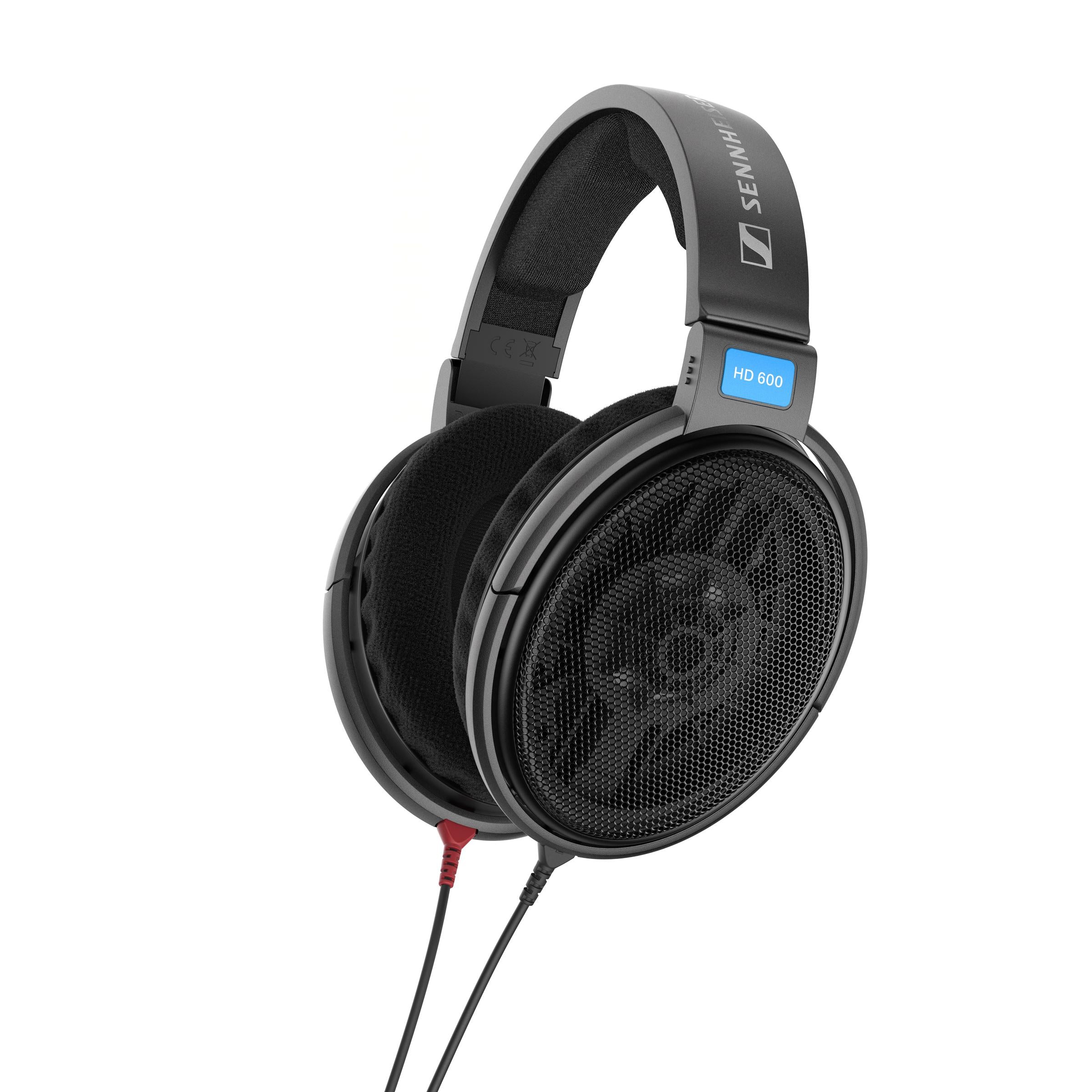
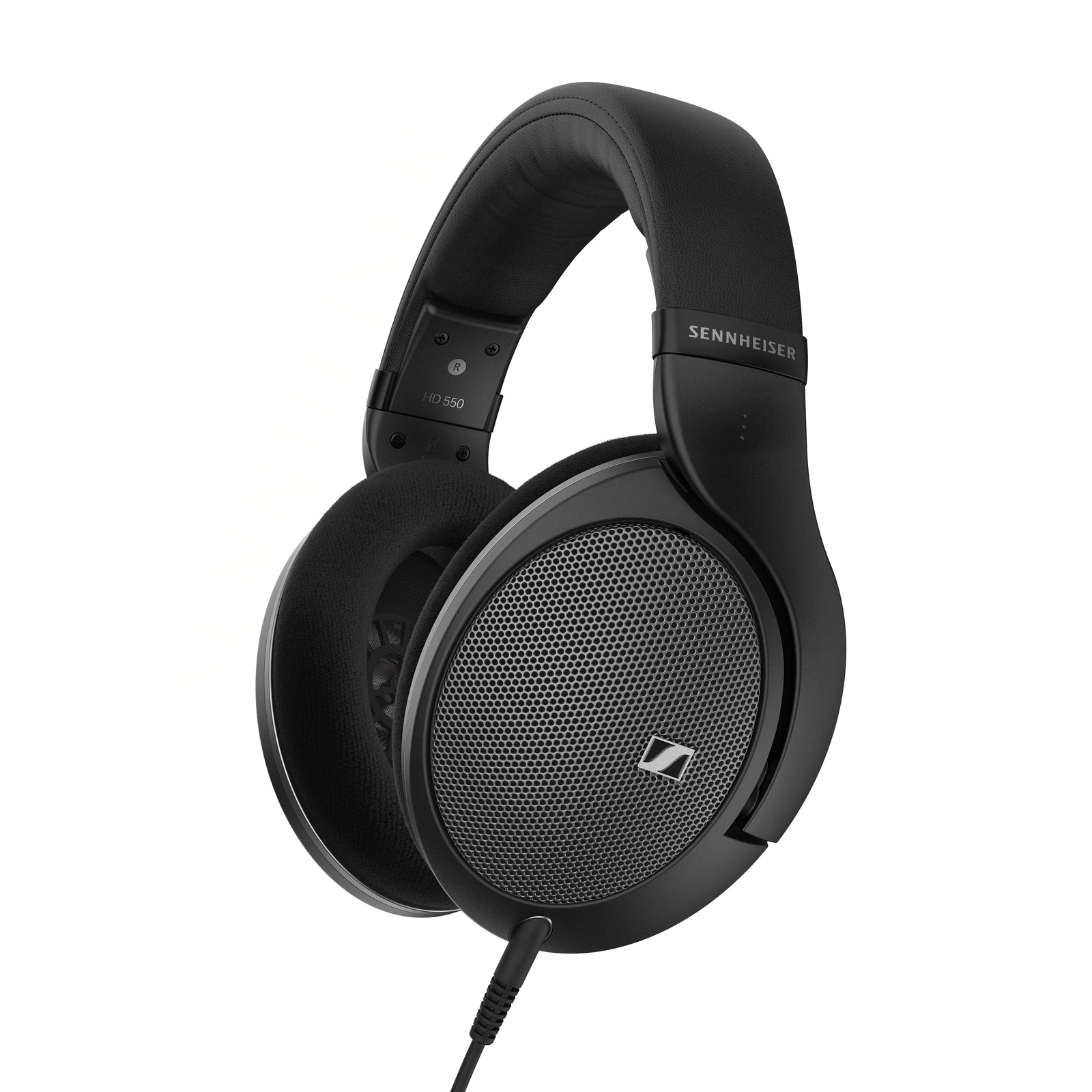
HD 550Open-back headphones85/100The broad modern default: deeper bass, wide imaging, low weight and easier source matching
HD 600Open-back headphones76/100A focused midrange reference with mature parts support, but limited bass and more demanding voltage needs
HD 660SOpen-back headphones81/100A legacy model in our catalog; useful historical context, not a current-lineup recommendation

Related comparisons

The largest gaps in MyHiFi's coverage are the current MOMENTUM 5 Wireless, HD 800 S, HD 660S2, IE series, HDB 630 and AMBEO products. Until those exact models are reviewed, this profile does not infer their quality from neighboring Sennheiser products.

Who should consider Sennheiser?

Strong fit

  • Buyers who value long-lived wired headphone platforms with replaceable wear parts.
  • Listeners who want a clearly tiered open-back range rather than a single flagship and frequent discontinuations.
  • Wireless buyers who prioritize sound personalization and broad codec support alongside mainstream convenience.
  • Creators, venues and organizations that need microphones, wireless transport, monitoring and control tools from one professional ecosystem.
  • TV listeners and users exploring speech-enhancement or hearing-oriented products outside a conventional audiophile catalog.

Less obvious fit

  • Buyers who assume the brand badge guarantees identical engineering or support across the family-owned and Sonova businesses.
  • Wireless shoppers who need class-leading noise cancellation or ecosystem integration above every sound-related consideration.
  • Listeners who want premium metal, wood or leather construction at each wired-headphone price tier.
  • Buyers who expect a sealed-battery earbud to match the service life of an HD 600-series headphone.
  • Anyone choosing by model number alone. HD 600 is not automatically “above” HD 550 for every listener, and a newer wireless generation is not automatically better in every function.

The safest way to buy Sennheiser is to start with use case and product family. In wired headphones, platform maturity and replacement parts can be decisive. In wireless products, evaluate fit, firmware, app behavior, battery and phone compatibility. In professional systems, evaluate the complete workflow and regional support rather than one specification.

Sources and notes

  1. Sennheiser, Our History, company timeline covering 1945–2026: https://www.sennheiser.com/en-us/about-us/our-history
  2. Sonova, Sonova completes acquisition of the Sennheiser Consumer Division and forms a new business, March 1, 2022: https://www.sonova.com/en/investor-news/sonova-completes-acquisition-sennheiser-consumer-division-and-forms-new-business
  3. Sonova, Expanding our offering and entering new growth markets – Sonova to acquire Sennheiser Consumer Division, May 7, 2021: https://www.sonova.com/en/investor-news/expanding-our-offering-and-entering-new-growth-markets-sonova-acquire-sennheiser
  4. Sennheiser Consumer Hearing Canada, official product and collection indexes: https://ca.sennheiser-hearing.com/sitemap.xml
  5. Sennheiser Consumer Hearing United States, official product and collection indexes: https://us.sennheiser-hearing.com/sitemap.xml
  6. Sennheiser Professional, official product catalog: https://www.sennheiser.com/en-us/catalog/products
  7. MyHiFi canonical product reviews and comparison pages linked above.

The historical and current-lineup claims were checked against primary company records on July 18, 2026. Claims of a “first” remain scoped to the cited company record unless broader independent priority evidence is explicitly stated. Product availability changes by region and can outdate this page; the lineup table is representative rather than exhaustive. MyHiFi has no financial relationship with Sennheiser or Sonova. Affiliate links on linked product reviews do not influence profile inclusion or conclusions.